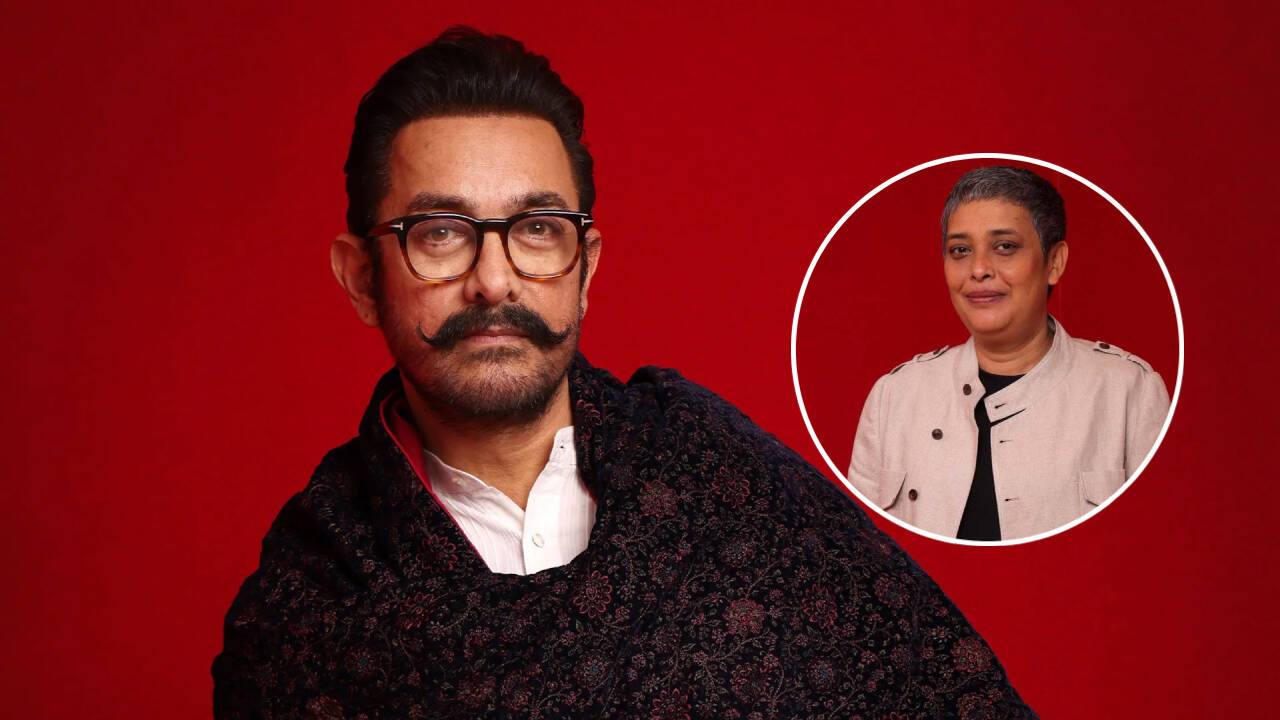
Bollywood star Aamir Khan recently shared a memorable behind-the-scenes encounter involving filmmaker Reema Kagti, highlighting her strict approach to punctuality and discipline on movie sets. The actor reflected on how the director refused to tolerate tardiness or special favors during their professional collaborations.
The two industry figures previously worked together on major cinematic projects, including the 2001 historical sports drama Lagaan and the 2012 suspense thriller Talaash. While Khan served as the lead actor and producer on Lagaan, Kagti worked behind the scenes as an assistant director before eventually stepping into the director's chair for Talaash a decade later.
According to Khan, Kagti established a reputation for maintaining absolute order and adhering strictly to production schedules. During the filming of Talaash, the actor faced a stern reprimand after arriving late to the location. He recalled how the filmmaker confronted him directly, challenging his behavior with an assertive demand to know how he dared to disrupt the timeline.
The strict discipline extended back to their earlier days on the set of Lagaan. Khan recounted an instance where he requested an early breakfast ahead of the scheduled meal times to accommodate his routine. Kagti firmly rejected the plea, demonstrating her unwavering commitment to fairness and the established production timetable.
Such rigorous time management is often essential in the fast-paced Indian film industry, where managing large casts and complex outdoor shoots requires tight coordination. Directors frequently rely on strict assistants to keep productions running smoothly within designated budgets and schedules.
Kagti has since established herself as a prominent writer and director in contemporary Hindi cinema, known for helming acclaimed projects like Gold and the streaming series Dahaad. Her no-nonsense reputation on set appears to have contributed to successful creative partnerships with major industry talents throughout her career.
Reporting based on coverage first published by The Times of India. Read the original report at The Times of India.