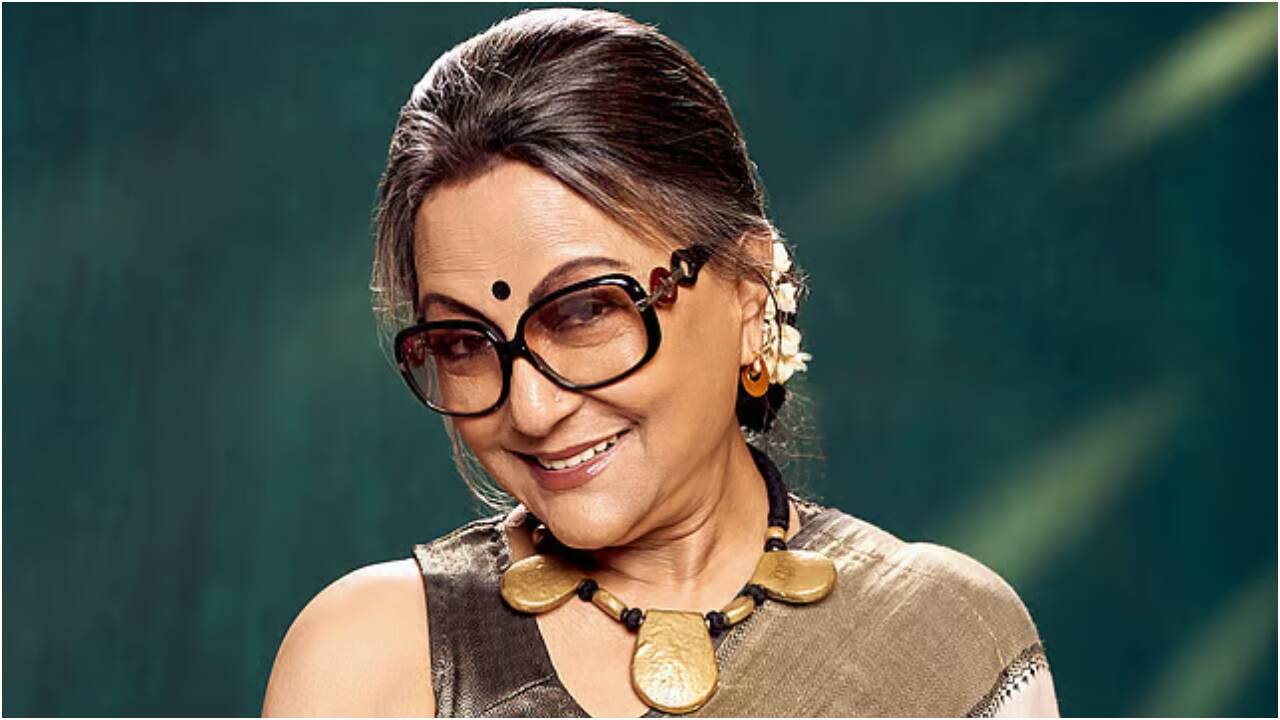
Renowned filmmaker Aparna Sen recently reflected on the creative origins of her celebrated directorial debut, "36 Chowringhee Lane," as the critically acclaimed picture marks its forty-fifth anniversary. The iconic drama, written entirely in English, centered on the poignant life of an aging Anglo-Indian schoolteacher living in Kolkata. Sen has revealed that the emotional core of the central character, Violet Stoneham, was drawn directly from personal observations during her own youth.
The inspiration for the heartbreaking protagonist came from a lonely teacher the filmmaker knew during her school years. While navigating her mid-thirties, Sen experienced a growing sense of frustration with the limitations she faced as a professional actor. This creative dissatisfaction prompted her to channel her energies into writing a feature-length screenplay that would eventually become a milestone in Indian cinema.
Embarking on a directorial project as a woman in her thirties was a daunting endeavor, and initial feedback from peers offered little encouragement. Doubts from contemporaries nearly derailed the production before it ever began. Seeking guidance, Sen decided to approach legendary cinematic icon Satyajit Ray with her script.
Ray recognized the strength of the material and offered enthusiastic backing for the project. Furthermore, the veteran director suggested that prominent actor Shashi Kapoor would be an ideal choice to produce the film. With Kapoor's support, the production moved forward, bringing Sen's vision to the screen and launching a distinguished career behind the camera.
Released decades ago, "36 Chowringhee Lane" continues to be celebrated as a masterpiece of parallel cinema. The film earned widespread critical acclaim for its sensitive portrayal of urban isolation and the fading Anglo-Indian community. As the anniversary of its release is observed, the movie remains a powerful testament to the collaborative spirit of Indian cinema and the enduring impact of personal artistic vision.
Reporting based on coverage first published by The Times of India. Read the original report at The Times of India.