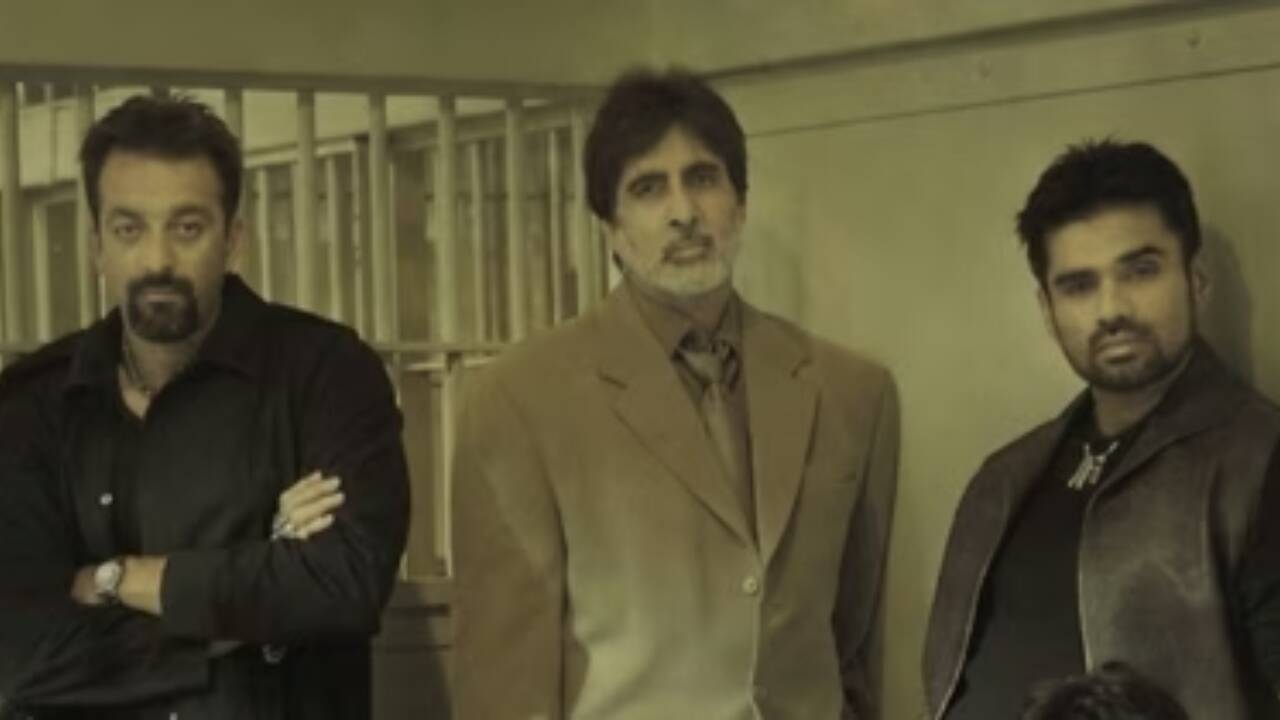
Director Sanjay Gupta recently reflected on the making of the 2002 crime drama Kaante, shedding light on a specific guideline laid down by Bollywood icon Amitabh Bachchan. Before signing on to the project, the legendary actor made it clear that his character would maintain strict verbal cleanliness throughout the narrative. According to Gupta, Bachchan insisted that his dialogue must remain entirely free of profanity, establishing this boundary as a firm prerequisite for his involvement.
The filmmaker readily accepted the condition, finding a creative workaround to preserve the gritty tone of the heist film. Rather than having the entire ensemble tone down their dialogue, Gupta permitted the other characters in the movie to use strong language freely. This contrast allowed the gritty atmosphere of the production to remain intact while accommodating the veteran star's personal standard for his own performance.
Gupta also recalled experiencing significant apprehension when he first pitched the screenplay to the acclaimed actor. Presenting a complex project to one of the industry's most influential figures naturally brought considerable nervousness. However, the collaboration ultimately moved forward smoothly once the initial creative boundaries were established between the director and the lead actor.
Released over two decades ago, Kaante has since evolved into a celebrated cult classic within Indian cinema. The film drew significant attention at the time for its distinct visual aesthetic, dynamic action sequences, and an ensemble cast that delivered memorable performances. Its unique style helped redefine the presentation of commercial thrillers in Bollywood during the early 2000s.
The movie featured a prominent star-studded lineup alongside Bachchan, contributing to its enduring popularity among movie enthusiasts. Over the years, the project has maintained a loyal following due to its stylish direction and memorable character dynamics. Gupta's recent recollections offer fans a behind-the-scenes look at how the iconic feature was shaped during its early developmental stages.
Reporting based on coverage first published by The Times of India. Read the original report at The Times of India.