The National Health Service in England has launched a major initiative to broaden cervical cancer screening by providing home-testing kits to women who have fallen behind on their appointments. Approximately four million women will be contacted over the coming year through the NHS App, text messages, emails, or postal letters to request a complimentary kit.
Recent healthcare data indicates that roughly one-third of individuals eligible for cervical screening have not recently participated. The new at-home devices specifically target the human papillomavirus, known as high-risk HPV, which is responsible for virtually all instances of cervical cancer.
Healthcare officials believe the initiative will address barriers that frequently prevent individuals from attending traditional clinical appointments. Common deterrents include personal discomfort, scheduling difficulties, and embarrassment. By allowing participants to collect a sample privately, the health service hopes to significantly boost overall participation rates.
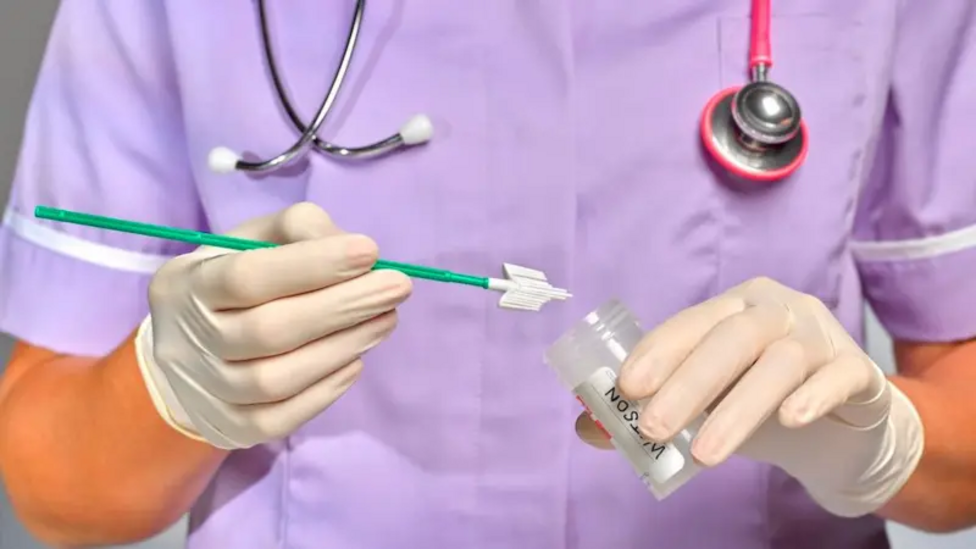
The kits include a swab resembling an elongated cotton bud, which is utilized to gather a sample from the vagina. Participants then mail the sample back to the health service for analysis. If the laboratory results detect high-risk HPV, the individual will be scheduled for a follow-up clinical examination. Discovering the virus does not mean a person will automatically develop cancer, but it signals a need for closer monitoring.
Medical professionals emphasize that early detection is crucial because the disease rarely presents noticeable symptoms in its initial stages. Clinical appointments with a healthcare provider remain the standard and most effective method for cancer prevention, and individuals who have missed past appointments are still encouraged to book a standard checkup.
Prior pilot studies conducted in London indicate that offering home-testing options could prompt hundreds of thousands of additional individuals to participate annually. Similar programs are currently under evaluation in other regions of the United Kingdom.
Regular screenings are typically recommended every five years for individuals aged 24 to 64, with more frequent checks scheduled if HPV is identified. Alongside adolescent vaccination programs, health authorities maintain an ambition to entirely eliminate cervical cancer by the year 2040.
Reporting based on coverage first published by BBC News. Read the original report at BBC News.


