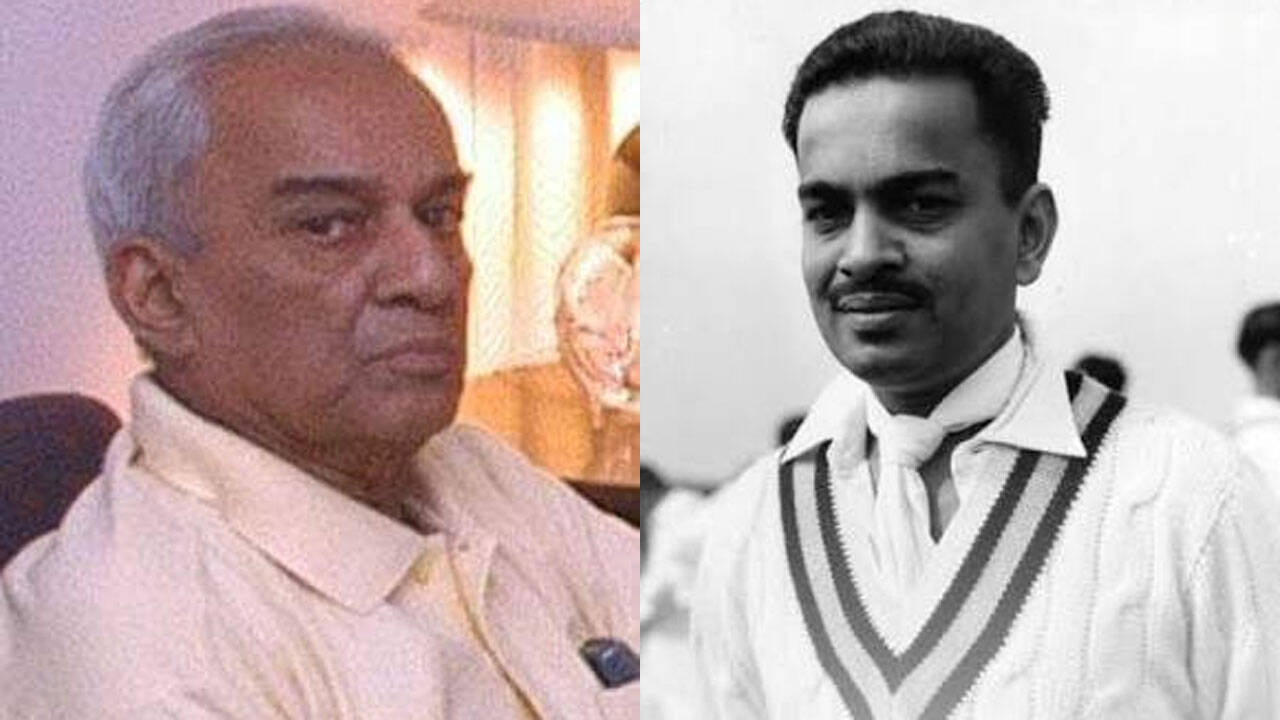
The history of Indian cricket is filled with tales of brilliant players whose international opportunities were limited by circumstance. Among the most striking is the career of leg-spinner Baloo Gupte, a domestic titan whose time on the global stage was surprisingly brief. While his brother Subhash Gupte achieved legendary status as one of the finest spin bowlers of his era, Baloo carved out a remarkable record in regional competition that contrasted sharply with his limited Test appearances.
Baloo featured in only three Test matches for the Indian national team. During these rare international outings, he managed to secure just three wickets. This modest return at the highest level did not accurately reflect his overall bowling abilities or the substantial impact he consistently delivered on domestic pitches.
His fortunes at the international level were closely tied to the career of his older brother, Subhash. As selectors and team management moved on from Subhash, opportunities for Baloo diminished significantly, cutting short what many fans and experts hoped would be a longer tenure in the national squad.
Away from the intense scrutiny of Test cricket, however, Baloo was a dominant force. Playing in the demanding environment of Indian first-class cricket, he established himself as a master of leg-spin. Over the course of his extensive domestic career, he accumulated an impressive total of 417 first-class wickets.
This prolific wicket-taking ability demonstrated a high level of skill, stamina, and tactical understanding of the game. Domestic batsmen frequently struggled to read his variations and flight, mirroring the challenges that his brother routinely presented to opponents.
Despite such overwhelming success in regional tournaments, a prolonged international career remained out of reach. Baloo ultimately joined the ranks of exceptional athletes who excelled beyond measure in domestic competitions without receiving a sustained platform to showcase their talents on the world stage. Today, his legacy persists primarily through statistical records and the memories of cricket historians who recognize his immense contributions to the domestic game.
Reporting based on coverage first published by The Times of India. Read the original report at The Times of India.