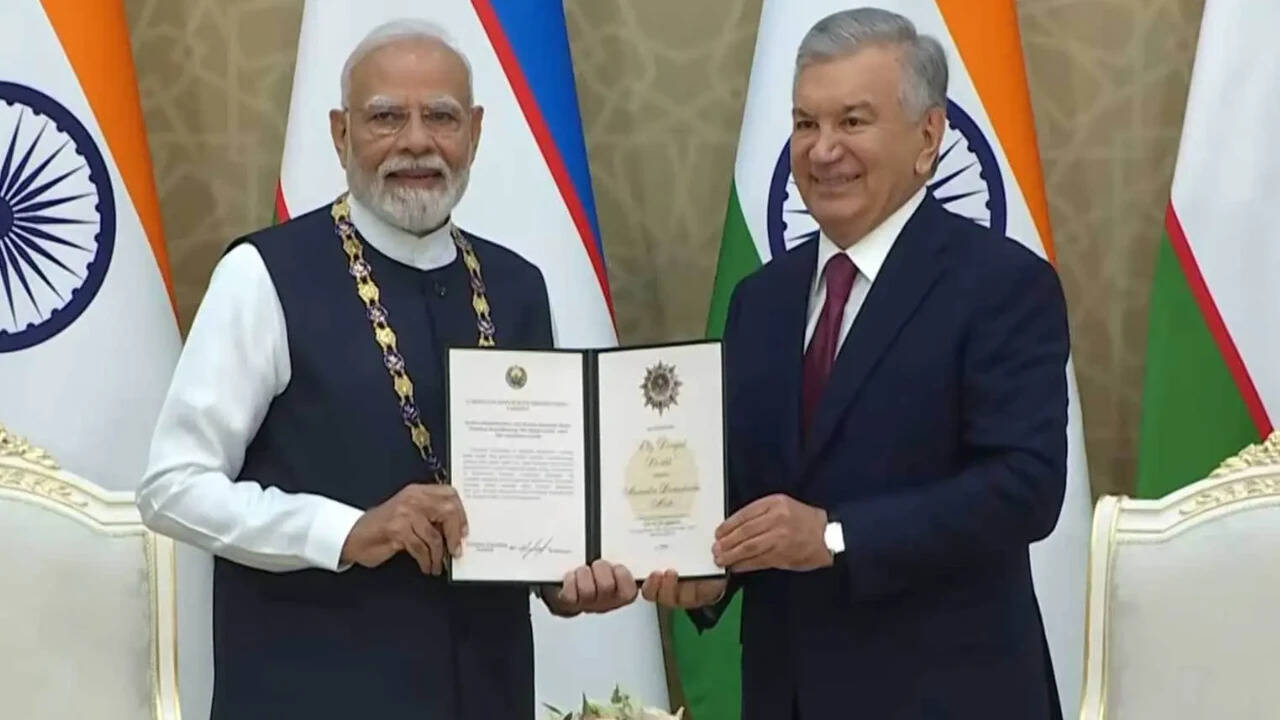
India and Uzbekistan have formally upgraded their diplomatic ties to a comprehensive strategic partnership, signalling a deeper alignment on regional security and geopolitical matters. The announcement comes just ahead of the upcoming Shanghai Cooperation Organisation meetings, highlighting a shared urgency among South and Central Asian nations to address evolving threats.
During high-level discussions, leaders from both countries issued a joint statement focusing heavily on global security concerns. Most notably, the two nations offered an unequivocal condemnation of terrorism in all its forms, making specific reference to the dangers posed by cross-border militant operations.
In their joint declaration, the governments called for coordinated international measures to dismantle terrorist networks. The emphasis extended beyond frontline operatives to include the financial pipelines that sustain extremist groups. Both sides stressed the necessity of cutting off monetary support and ensuring that perpetrators, alongside their financial backers, face accountability for their actions.
This diplomatic consensus reflects a growing convergence of interests between New Delhi and Tashkent as they navigate complex security dynamics across the region. Central Asia remains a critical focus for broader counter-terrorism strategies, particularly regarding stability and border management. Enhanced cooperation between India and Uzbekistan is expected to bolster intelligence sharing and joint security initiatives within multilateral frameworks.
The elevation of the bilateral relationship underscores a mutual commitment to long-term stability and economic connectivity. As preparations continue for regional summits, this renewed partnership demonstrates a unified front against transnational threats. Both governments have signaled their intent to maintain ongoing dialogue to address emerging challenges in the neighborhood.
Reporting based on coverage first published by The Times of India. Read the original report at The Times of India.