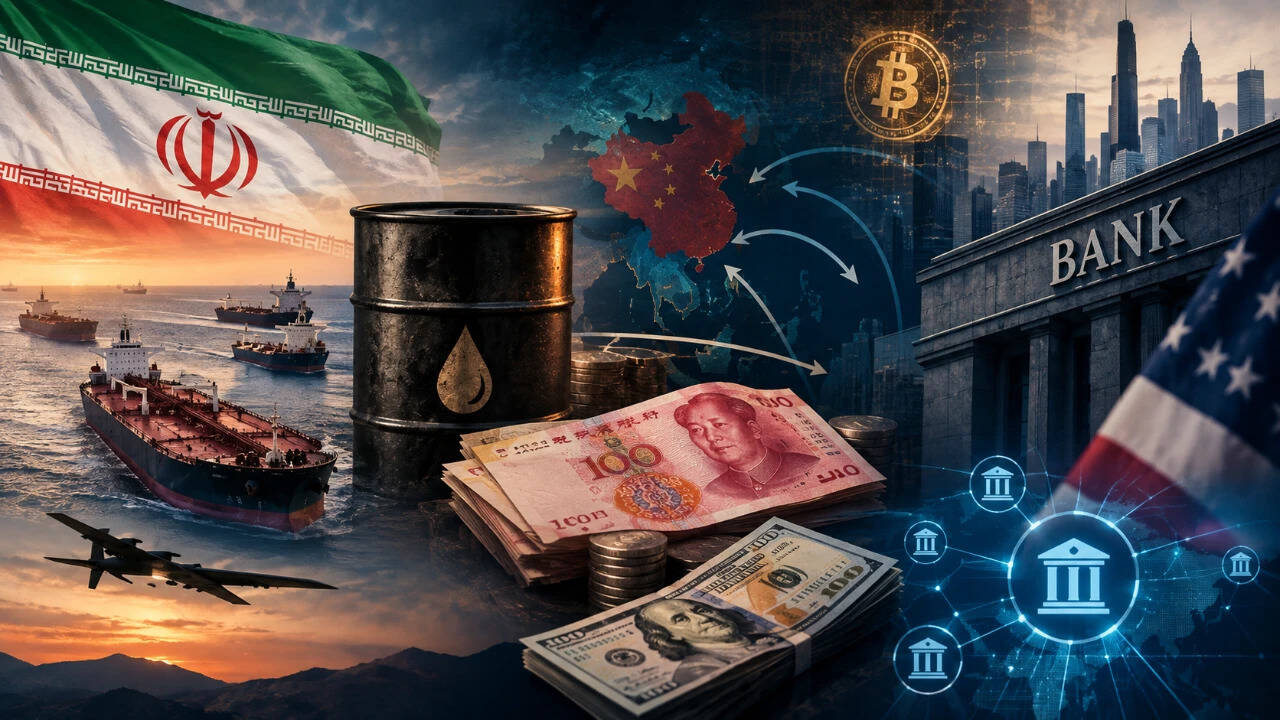
Financial investigations and trade reports have shed light on the mechanisms that allow billions of dollars linked to Iran to move through the American banking system, despite extensive international sanctions designed to isolate the country's economy. Recent findings indicate that roughly nine billion dollars continue to circulate through financial institutions in the United States, raising questions among regulators and policymakers about enforcement gaps and complex corporate networks.
The United States maintains a robust framework of economic sanctions aimed at restricting Iran's access to the global financial grid, particularly transactions involving the U.S. dollar. These measures target energy exports, banking institutions, and government entities to curb Tehran's foreign revenue streams. However, tracking illicit capital flows has grown increasingly challenging as financial networks adapt to regulatory pressures.
Investigators have discovered that funds often bypass direct detection by moving through multi-layered corporate structures. Shell companies, intermediaries, and front organizations are frequently utilized to obscure the ultimate origin and destination of the money. By routing transactions through multiple jurisdictions and seemingly legitimate commercial entities, illicit actors can integrate funds into mainstream banking channels without raising immediate compliance red flags.
The reliance on the U.S. dollar remains a central pillar of international trade, making it a primary target for actors seeking stability and liquidity. Even entities targeted by strict financial restrictions often find ways to utilize dollar-denominated accounts via correspondent banking relationships. These connections allow smaller regional banks to process transactions through major global institutions, sometimes inadvertently carrying unauthorized or disguised funds.
Financial watchdogs and regulatory agencies face mounting pressure to close loopholes that permit these transactions to occur. Enhanced monitoring, stricter compliance protocols, and deeper scrutiny of cross-border payment flows are currently under discussion among international financial authorities. The ongoing revelations highlight the persistent difficulties of enforcing comprehensive economic sanctions in a deeply interconnected global economy.
Reporting based on coverage first published by The Times of India. Read the original report at The Times of India.