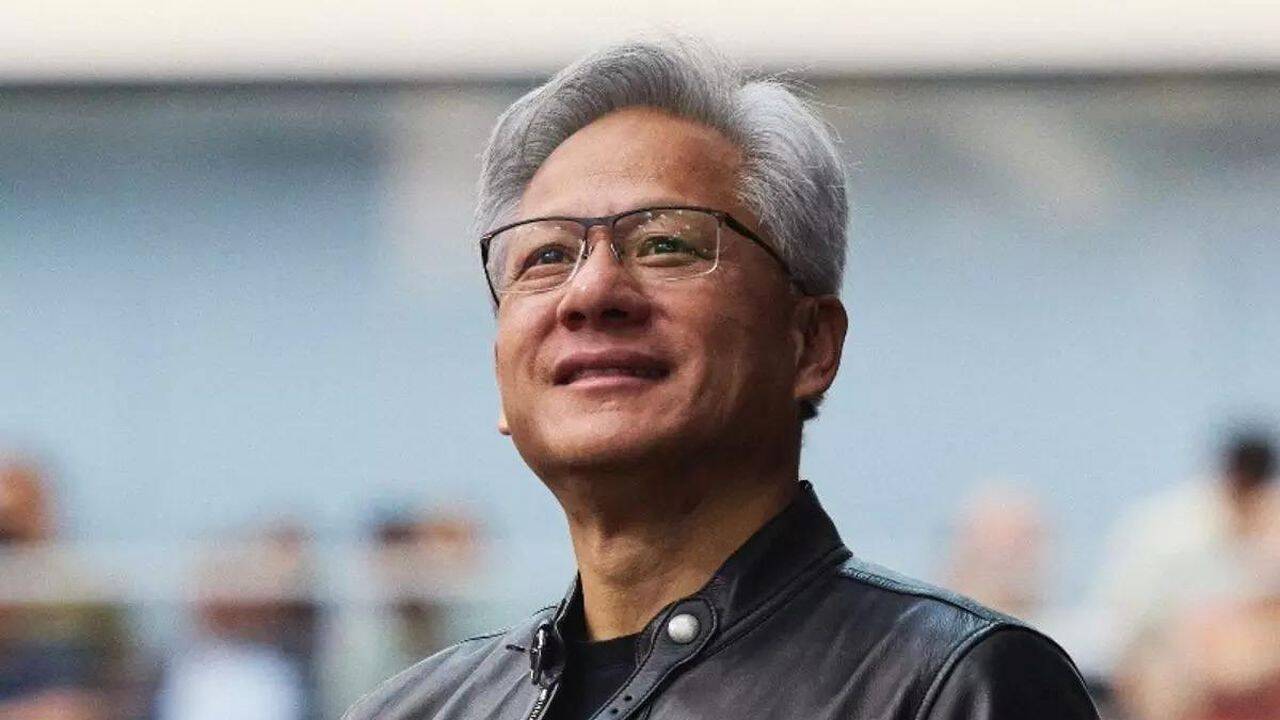
Nvidia Chief Executive Officer Jensen Huang has publicly rejected the concept of imposing a tax on automated systems and artificial intelligence. His remarks push back against a well-known proposal previously advanced by Microsoft co-founder Bill Gates, who suggested that governments should tax robots to offset job displacement and fund social programs.
Huang argues that advanced technology will ultimately expand the workforce rather than shrink it. According to the technology executive, businesses that experience significant productivity gains through automation tend to reinvest their success into broader operations, which in turn drives up the demand for human workers.
The debate over the economic impact of automation has persisted for years among policy makers, economists, and technology leaders. While some experts share concerns that artificial intelligence will displace large segments of the traditional labor market, industry optimists like Huang foresee a period of widespread economic expansion.
Huang anticipates that society is entering a new phase of global reindustrialization. In this emerging landscape, he believes that specialized human skills will be heavily sought after across a wide range of industries, offsetting the tasks taken over by machines.
Proponents of robot taxes argue that slowing down the adoption of automation or taxing it directly can protect vulnerable workers and maintain tax revenues as human labor is replaced. Conversely, technology advocates contend that such levies would stifle critical innovation and hinder economic growth at a time when global competition is intensifying.
The ongoing disagreement highlights a central dilemma for modern economies as they navigate the rapid integration of artificial intelligence. While the ultimate outcome for employment remains a subject of intense global debate, tech leaders continue to offer sharply contrasting visions for the future of work.
Reporting based on coverage first published by The Times of India. Read the original report at The Times of India.