The Indian government has introduced significant policy updates aimed at streamlining military exports and reducing administrative burdens for domestic manufacturers. Under the newly implemented regulations, the Ministry of Defence has overhauled approval mechanisms and broadened the scope of existing authorization permits. These measures are designed to enhance the global market presence of Indian defence enterprises by removing long-standing bureaucratic hurdles.
A central component of the reform involves the elimination of mandatory stakeholder consultations for the majority of non-lethal military shipments. Previously, exporters had to navigate extensive inter-ministerial reviews and consultations before securing clearance for items categorized as non-lethal. By waiving this requirement for most transactions, authorities expect to drastically shorten the timeframe required to process foreign orders.
Additionally, the regulatory framework governing the Open General Export Licence system has undergone a major consolidation. The government has unified disparate provisions under a single, streamlined structure and prolonged the operational validity of these permits. This adjustment provides manufacturers with greater predictability and flexibility when planning international shipments and long-term supply contracts.
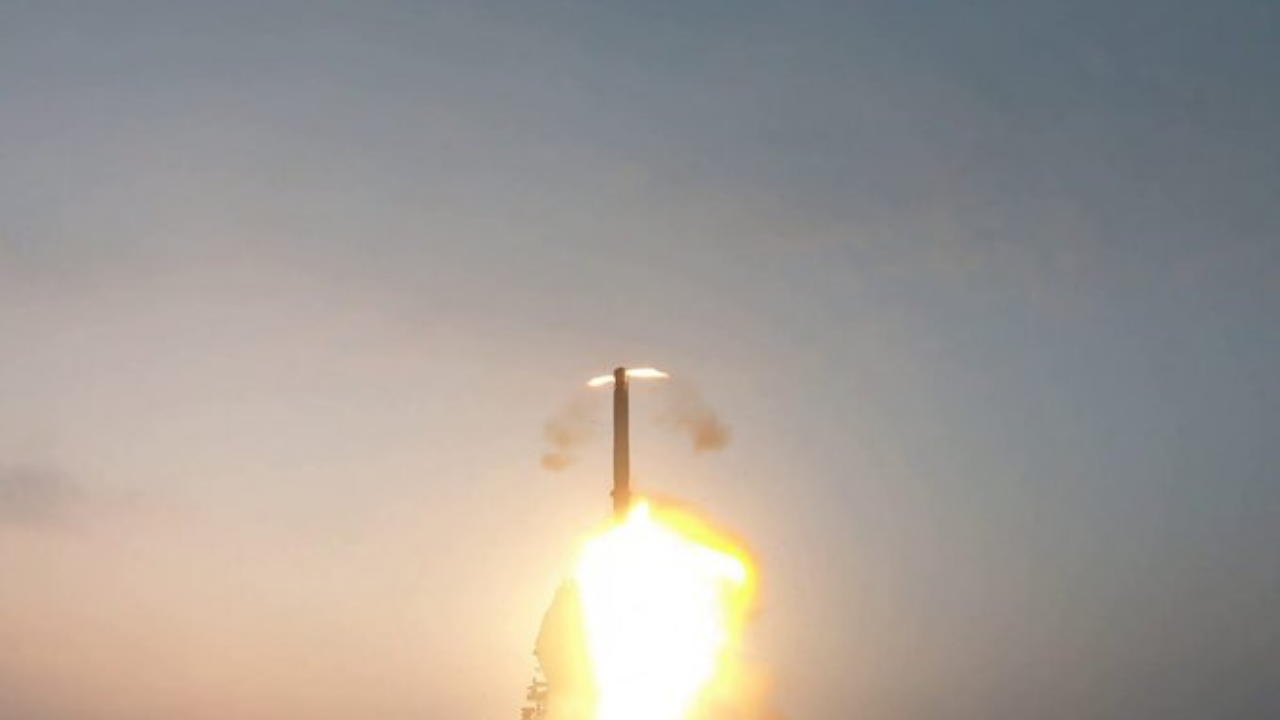
The timing of these procedural adjustments aligns with a period of notable growth for India's domestic defence manufacturing sector. Industry figures show that domestic production and international sales have recently reached unprecedented levels. Officials and industry leaders hope that the simplification of export rules will sustain this upward trajectory, allowing local firms to compete more effectively against established global suppliers.
In recent years, New Delhi has pursued an aggressive agenda to transform the country into a major hub for military hardware manufacturing. By encouraging indigenous production and facilitating foreign sales, the administration seeks to reduce historical reliance on foreign imports while strengthening the industrial base. The latest administrative updates represent a crucial step in translating manufacturing milestones into a broader international footprint.
Reporting based on coverage first published by The Times of India. Read the original report at The Times of India.