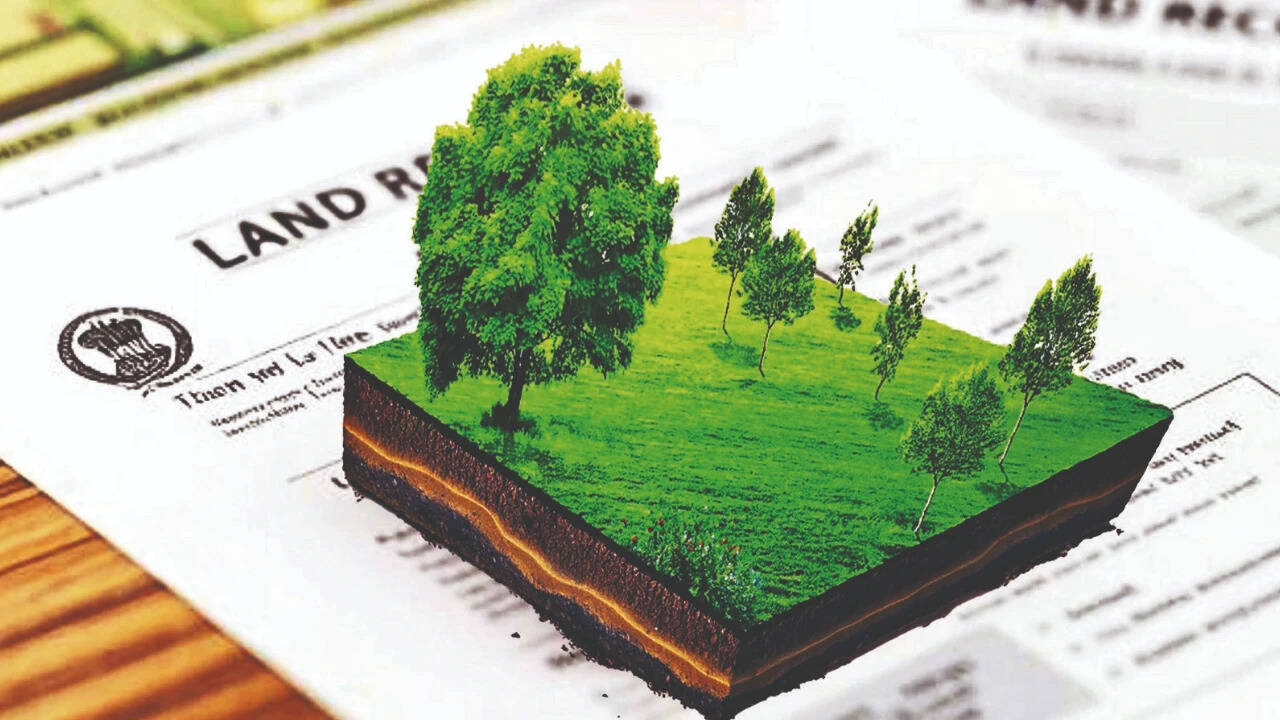
India is undergoing a massive transformation of its property administration system through the comprehensive computerization and digital mapping of real estate holdings across the country. This modernization effort seeks to replace legacy paper documents with a transparent, technology-driven framework that defines property boundaries and ownership with high precision.
A cornerstone of this modernization initiative is the introduction of a fourteen-digit unique identification number, known as Bhu-Aadhaar, which is assigned to individual plots of land. Authorities have already issued these distinct digital identities to more than forty crore land parcels nationwide. This system functions similarly to a personal identification number, ensuring that every piece of real estate has a single, verifiable digital footprint that eliminates ambiguity regarding its identity.
Alongside the issuance of unique identification numbers, the government has achieved nearly complete computerization and georeferencing of existing land documentation. More than ninety-nine percent of all land records have successfully transitioned into digital formats and been linked to geographic coordinates. Georeferencing aligns paper maps with satellite data, anchoring every property to a precise location on the earth's surface and helping to resolve historical boundary disputes.
To further refine urban property mapping, authorities are deploying aerial drones under a specialized initiative called the NAKSHA program. These unmanned flying vehicles capture high-resolution imagery and topographical data, allowing surveyors to map densely populated cities and towns with unprecedented accuracy. The aerial surveys complement satellite data to create a multi-layered geographic information system for urban planning and taxation.
This robust digital land architecture is expected to generate significant economic benefits by integrating informal property holdings into the formal financial system. With clear titles and definitive boundary markers, property owners gain enhanced security and legal certainty, making it much easier to secure formal credit from banking institutions. Policymakers anticipate that this greater financial inclusion will stimulate local economies and encourage investment in both rural and urban areas.
The nationwide modernization drive addresses long-standing challenges in India's real estate sector, where fragmented paper records frequently led to litigation and delayed transactions. By centralizing information and making it accessible through digital portals, the administration aims to curb fraudulent sales and streamline administrative workflows. As the implementation nears completion, the initiative sets a new benchmark for land governance and property security in the developing world.
Reporting based on coverage first published by The Times of India. Read the original report at The Times of India.