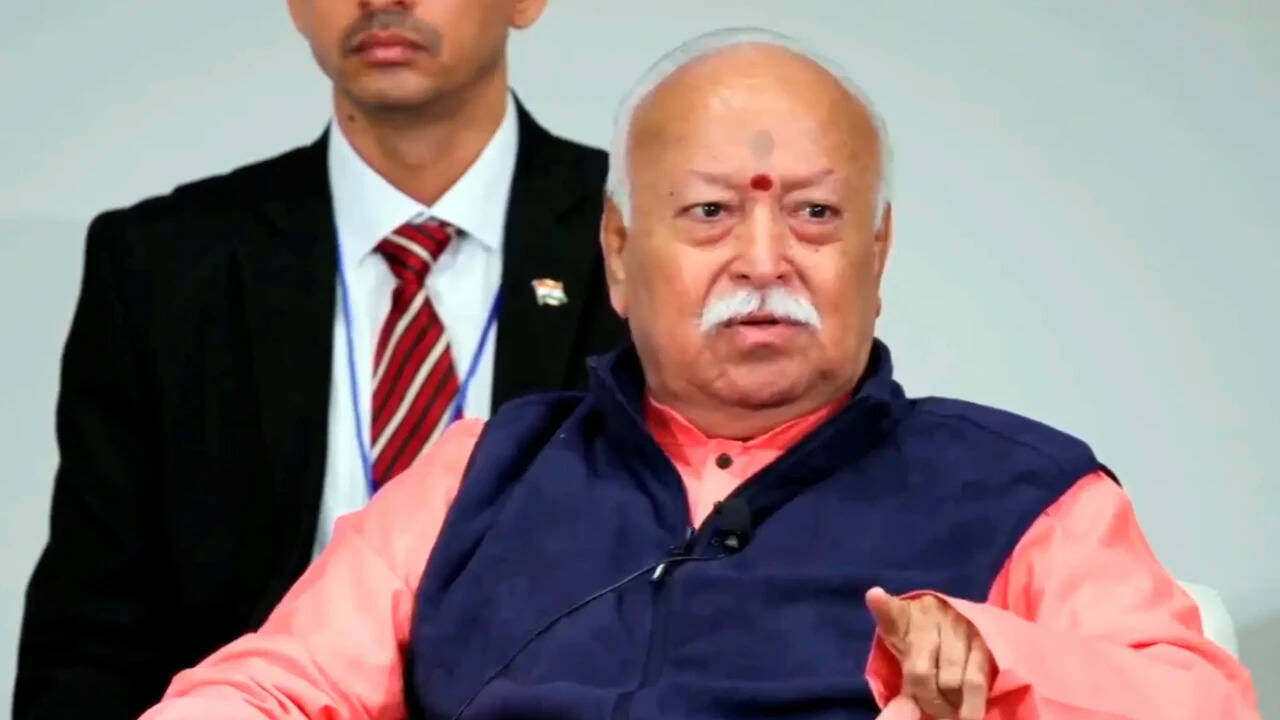
The leader of India's prominent Hindu nationalist organization, the Rashtriya Swayamsevak Sangh, has detailed a strategic framework for societal and political transformation during a public address. Mohan Bhagwat outlined how grassroots cultural work ultimately influences the broader political and institutional landscape of the nation.
Bhagwat emphasized that true and lasting change begins at the community level rather than through legislative mandates alone. According to his perspective, shaping public character, promoting social harmony, and instilling traditional values within citizens create a solid foundation for national progress.
The remarks highlight the ongoing philosophy of the RSS, which serves as the ideological mentor to India's ruling political faction, the Bharatiya Janata Party. While the organization traditionally operates as a voluntary cultural and social entity, its influence frequently extends into the formulation of public policy and governmental priorities.
Observers note that Bhagwat's address underscores the symbiotic relationship between grassroots mobilization and state-level governance. By focusing on societal transformation first, the leadership believes that political shifts will naturally follow as public sentiment aligns with their core vision for the country.
The discourse also touched upon the necessity of internal unity and discipline among members to effectively navigate modern social challenges. Bhagwat urged supporters to remain committed to constructive engagement within their neighborhoods, fostering inclusivity while preserving cultural heritage.
As India continues to experience rapid economic and social modernization, the RSS continues to position itself as a central guardian of indigenous values. The recent statements reaffirm the organization's long-term methodology of achieving institutional change through persistent educational and social outreach across the country.
Reporting based on coverage first published by The Times of India. Read the original report at The Times of India.