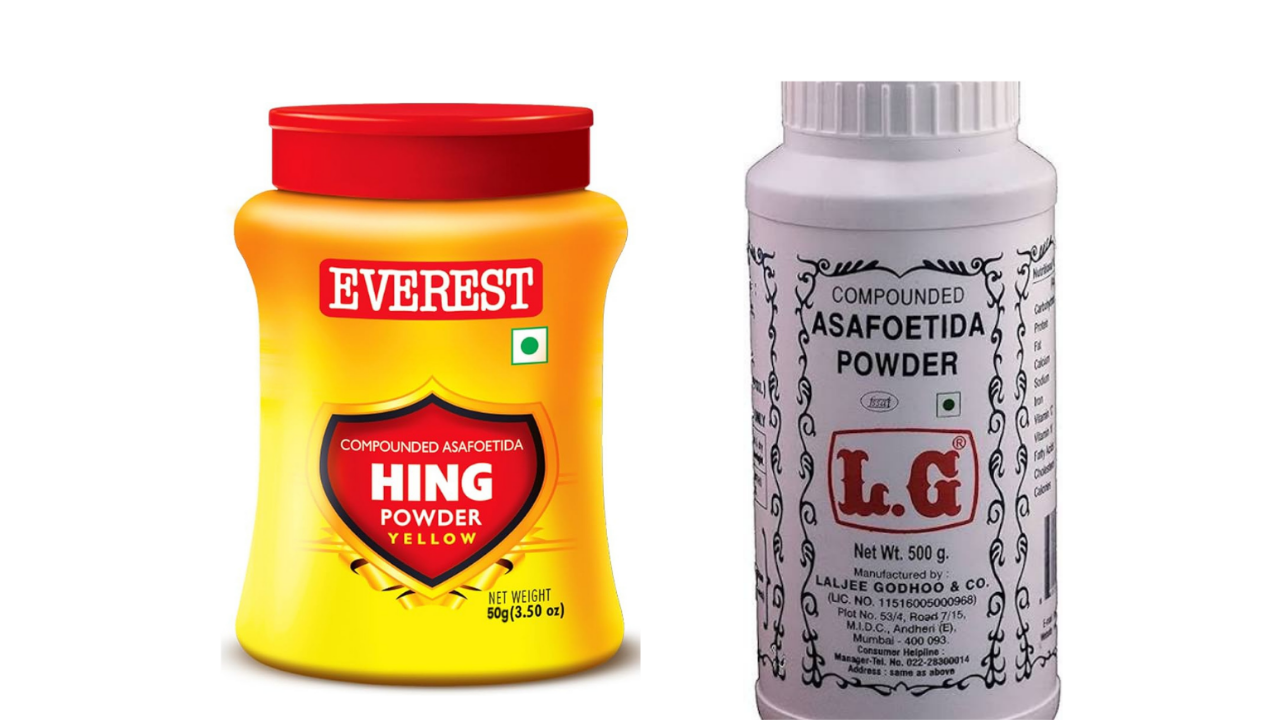
India's primary food safety regulator has taken decisive action against two prominent spice manufacturers by prohibiting them from selling specific asafoetida products. The Food Safety and Standards Authority of India issued formal ban orders following laboratory assessments that revealed failures to meet mandatory quality benchmarks. The regulatory intervention targets popular brands known across domestic households for producing compounded asafoetida, commonly referred to as hing.
According to official findings, the tested samples failed to satisfy the required standards for alcohol-soluble extract content. This particular metric serves as a key indicator of purity and concentration for the pungent spice widely used in Indian cooking for its distinct flavor and digestive properties. Because the marketplace offerings fell short of these established thresholds, authorities determined that commercial distribution of the affected batches must cease immediately to protect consumers.
The companies affected by the enforcement measures are Everest Food Products and Laljee Godhoo and Company. Both firms hold substantial market shares and enjoy widespread recognition among consumers who regularly purchase packaged spices and culinary blends. Regulators noted that the current prohibitions stem directly from non-compliance issues discovered during routine market surveillance and product sampling procedures.
This regulatory action represents the latest in a series of heightened quality control measures directed at the domestic food processing sector. Food safety authorities have ramped up inspections across various spice categories in recent months to ensure that commercial products adhere strictly to national health and safety codes. Previous reviews involving Everest Food Products had already identified compliance discrepancies in other masala offerings, drawing further scrutiny from regulatory officials.
Industry analysts observe that these developments underscore a broader trend toward stricter oversight within the country's food supply chain. Regulatory bodies are increasingly utilizing rigorous laboratory testing protocols to hold major manufacturers accountable for product integrity. As these compliance checks continue, companies operating within the sector face mounting pressure to upgrade quality assurance practices and verify that all marketed goods meet statutory thresholds before reaching store shelves.
Reporting based on coverage first published by The Times of India. Read the original report at The Times of India.