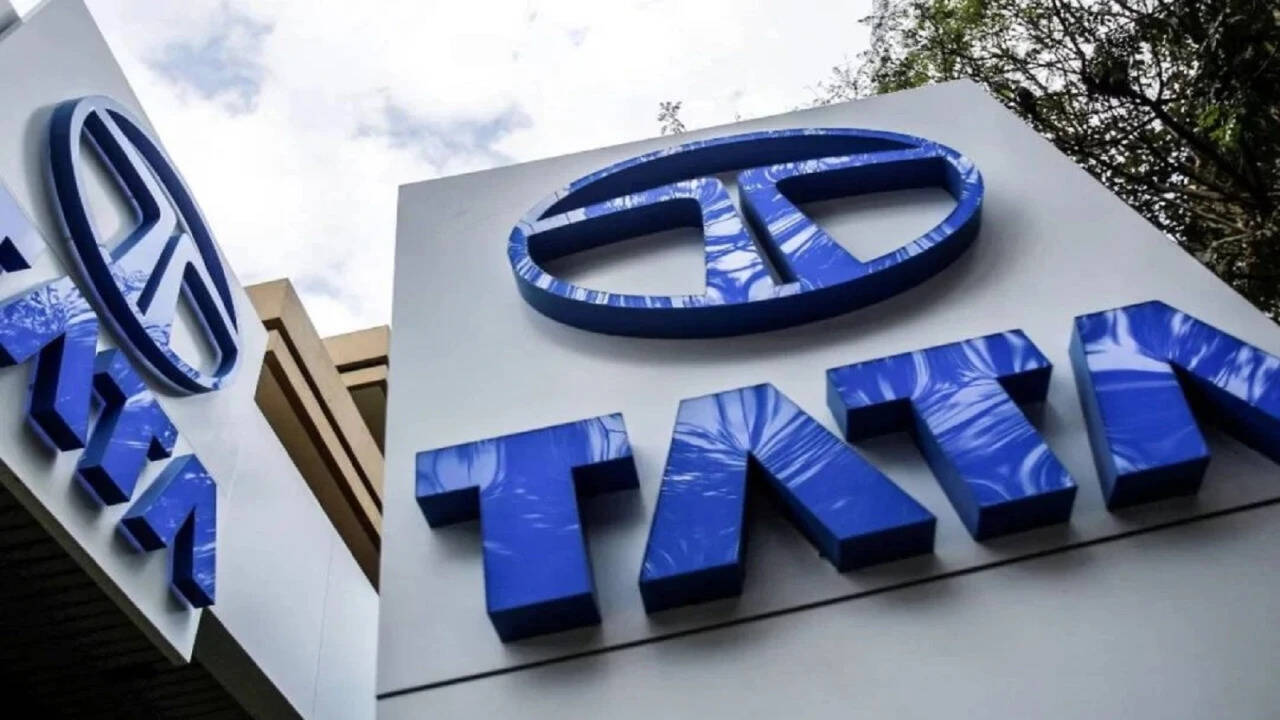
The Reserve Bank of India has formally approached the High Court to ensure that it receives advance notice regarding any potential legal filings by Tata Sons. By lodging a caveat application, the central banking institution aims to prevent any unexpected court orders or injunctions concerning the major conglomerate without its side being heard first. This procedural step is frequently utilized by regulatory bodies and major institutions to maintain oversight and participate in judicial proceedings from the very beginning.
Regulatory scrutiny over large business groups in India has intensified in recent years, particularly concerning classification norms and compliance requirements for upper-layer non-banking financial companies. Tata Sons holds a prominent position within the country's corporate landscape, bringing it under the direct regulatory purview of the central bank. While specific details regarding the catalyst for this recent legal filing remain limited, the caveat underscores the careful monitoring maintained by financial regulators over prominent commercial entities.
Legal experts note that filing a caveat is a standard precautionary measure designed to safeguard institutional interests and ensure procedural fairness. It obligates the court registry to notify the lodging party immediately if any opposing petition or motion is submitted by the designated company. This allows the regulator ample opportunity to present its perspective before any judicial decisions or interim stays are issued.
The ongoing relationship between major Indian business houses and their primary regulators continues to be a subject of significant interest among market analysts and financial observers. Regulatory compliance, particularly regarding governance and registration mandates for core investment companies, remains a central focus for policymakers. As the situation develops, further clarity is expected regarding any formal disputes or compliance discussions between the conglomerate and the central bank.
Reporting based on coverage first published by The Times of India. Read the original report at The Times of India.