Modern military operations and national security increasingly depend on precise geospatial awareness, making independent satellite navigation a critical asset for defense forces. For India, achieving complete technological sovereignty in this domain relies heavily on the full operational capability of its home-grown navigation constellation, known as NavIC.
Currently, the domestic satellite system faces a significant constraint with only three operational satellites functioning in orbit. This limited number restricts the network's capacity to deliver the continuous, high-precision positioning and navigation data required for both civilian infrastructure and military operations.
The reliability challenges affecting the constellation largely trace back to imported atomic clocks utilized in earlier satellite models. To resolve these vulnerabilities, the country's space agency has transitioned to developing and integrating domestic atomic clocks designed to ensure long-term stability and operational independence.
With modern defense strategies heavily reliant on networked warfare and precision-guided munitions, secure satellite guidance is essential. Depending on foreign-owned positioning systems during a geopolitical crisis introduces unacceptable strategic risks to a nation's defense apparatus.
A fully functional domestic constellation guarantees complete operational freedom without the risk of external signal degradation or denial during critical moments. Beyond military applications, a robust local navigation network also supports economic growth, commercial transport, and disaster management across the region.
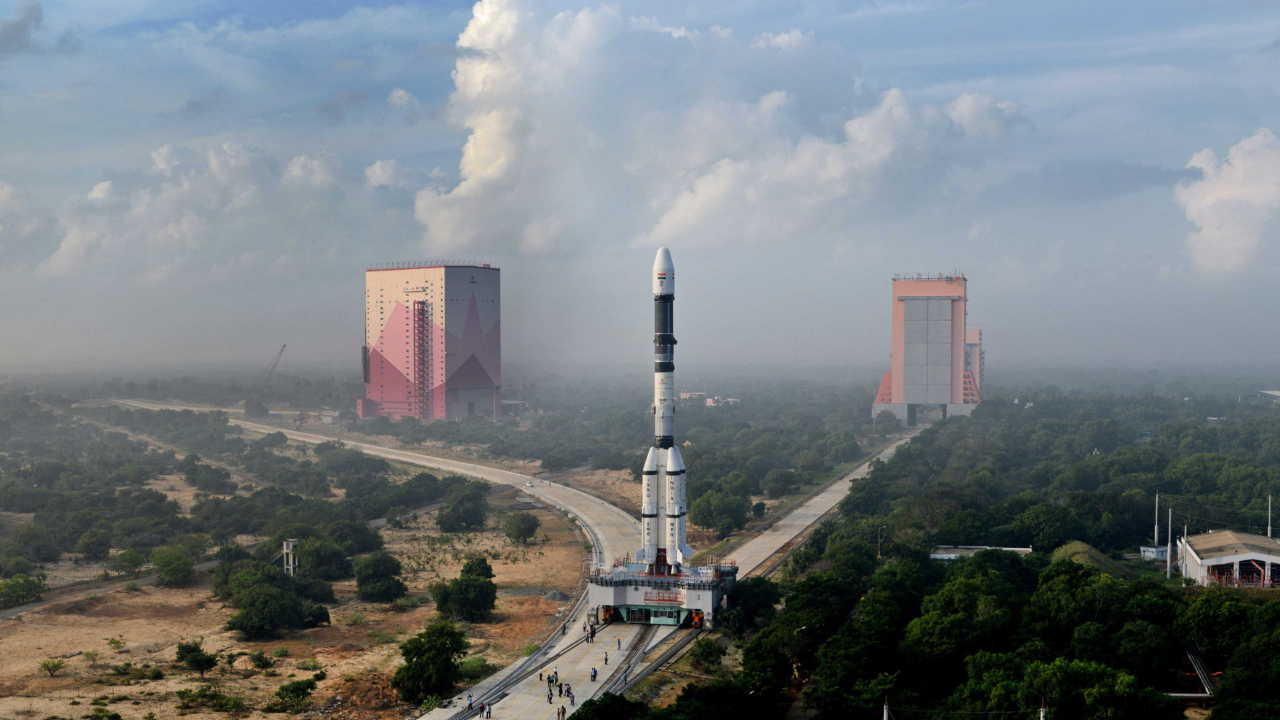
Upcoming satellite launches scheduled by the national space program aim to replenish the orbital network and restore the constellation to its full design capacity. Once fully deployed, the enhanced system will provide the dependable, independent positioning architecture necessary to secure the nation's strategic interests well into the future.
Reporting based on coverage first published by The Times of India. Read the original report at The Times of India.