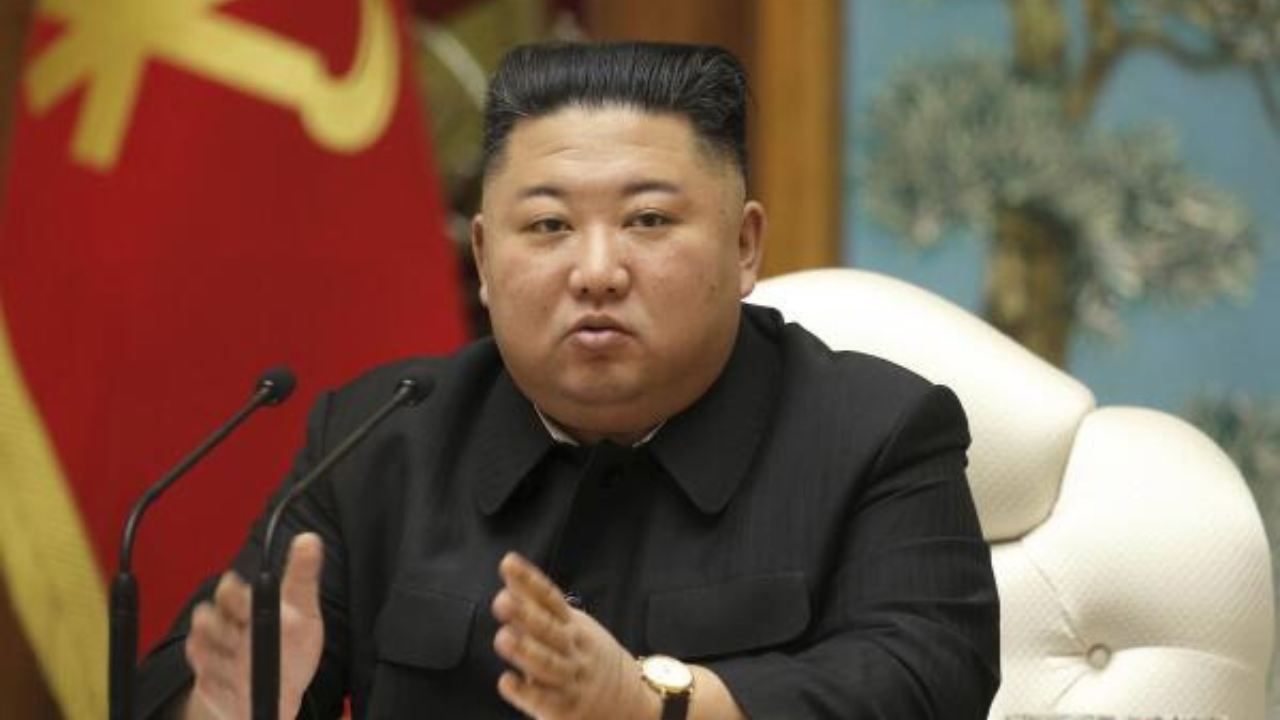
North Korea has implemented a major restructuring of its armed forces leadership, highlighted by the removal of the country's defense minister. The leadership overhaul was finalized during a high-level government meeting overseen by supreme leader Kim Jong Un. State officials framed the transition as a necessary step to align military command structures with recent technological progress achieved by domestic weapons research facilities.
The reshuffle coincides with the unveiling of several advanced combat weapon systems developed by national defense laboratories. Observers note that Pyongyang frequently reorganizes its military apparatus to prioritize specific strategic doctrines or to integrate newly deployed hardware into active units. Leadership changes at the ministerial level often signal shifting priorities within the ruling regime as it continues to expand its conventional and strategic capabilities.
Meanwhile, security dynamics on the Korean Peninsula remain strained amid an ongoing cycle of weapons testing and allied defense preparations. In response to persistent missile launches and nuclear developments by Pyongyang, neighboring democracies and their international allies have strengthened their collective defense posture. Joint military exercises involving South Korea, the United States, and Japan are scheduled to continue as planned.
Defense planners from the three allied nations emphasize that these trilateral drills are purely defensive in nature. The maneuvers are specifically designed to improve interoperability and enhance readiness against potential security contingencies originating from the north. Washington, Seoul, and Tokyo maintain that their cooperative framework is essential for preserving regional stability and deterring future provocations.
International analysts continue to monitor the political and military shifts in Pyongyang closely. The combination of high-level personnel changes and the introduction of upgraded armaments highlights the ongoing evolution of North Korea's defense strategy. At the same time, the steadfast commitment of South Korea, the United States, and Japan to collaborative military exercises ensures that regional deterrence measures will remain robust in the face of continued uncertainty.
Reporting based on coverage first published by The Times of India. Read the original report at The Times of India.