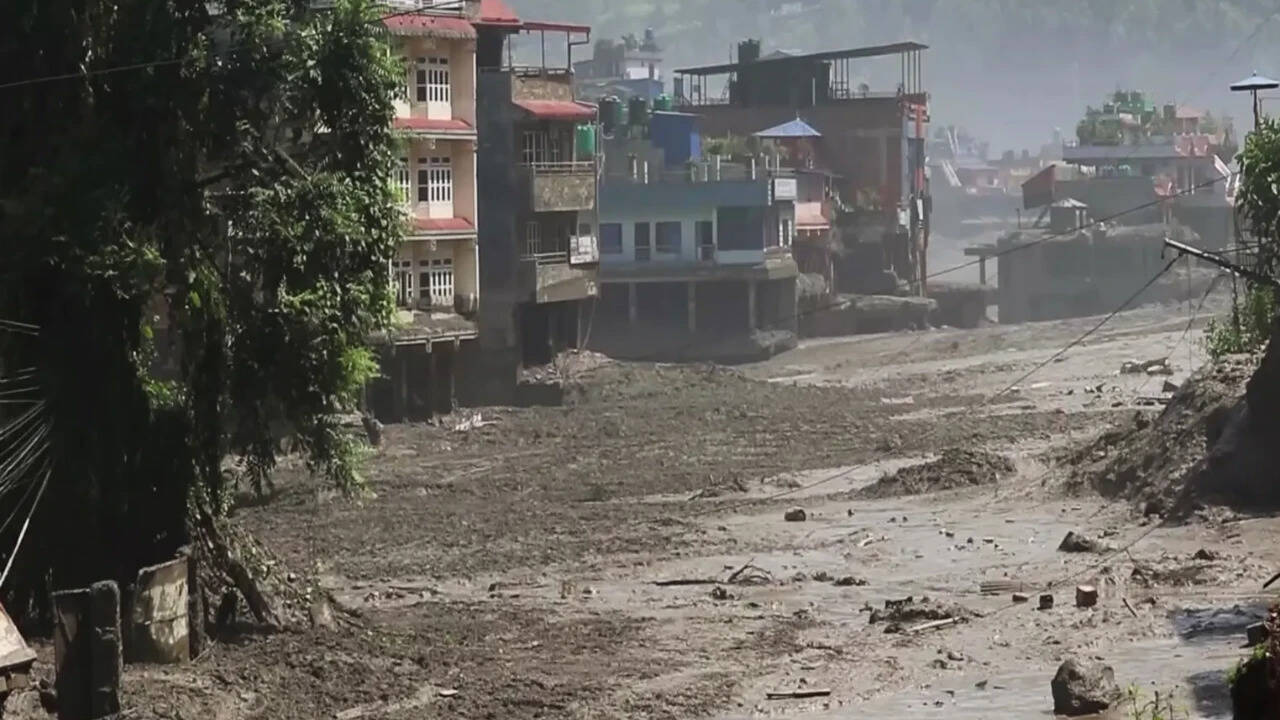
The death toll from severe flooding and landslides across Nepal has climbed to 469, according to recent updates from the region. The disaster, which has unfolded over an extended period of heavy monsoon rains, has devastated communities, displaced families, and caused widespread infrastructure damage throughout the Himalayan nation. Rescue operations continue in several affected districts as emergency responders search for missing individuals and attempt to reach isolated populations.
In the wake of the catastrophe, regional meteorological agencies have issued further warnings regarding the stability of local terrain. Chinese authorities have cautioned that Nepal faces a renewed threat of washouts and secondary landslides as unstable soil conditions persist. Continuous precipitation in neighboring catchment areas has heightened the risk of sudden surges in major river basins, putting additional communities downstream on high alert.
The monsoon season frequently brings heavy rainfall to South Asia, triggering deadly floods and landslides in mountainous terrain. Infrastructure in Nepal, including vital highway networks and rural bridges, remains particularly vulnerable to extreme weather events. Authorities continue to monitor weather patterns closely while urging residents in hazard-prone areas to heed evacuation advisories and move to higher ground.
International humanitarian groups and local agencies are coordinating relief efforts to provide shelter, clean drinking food, and medical supplies to those affected by the ongoing crisis. The high number of fatalities underscores the severity of this year's seasonal rains and the challenges faced by emergency management teams operating in rugged geographic conditions. As the recovery phase begins, government officials are assessing the long-term impact on agriculture, housing, and national infrastructure.
Reporting based on coverage first published by The Times of India. Read the original report at The Times of India.