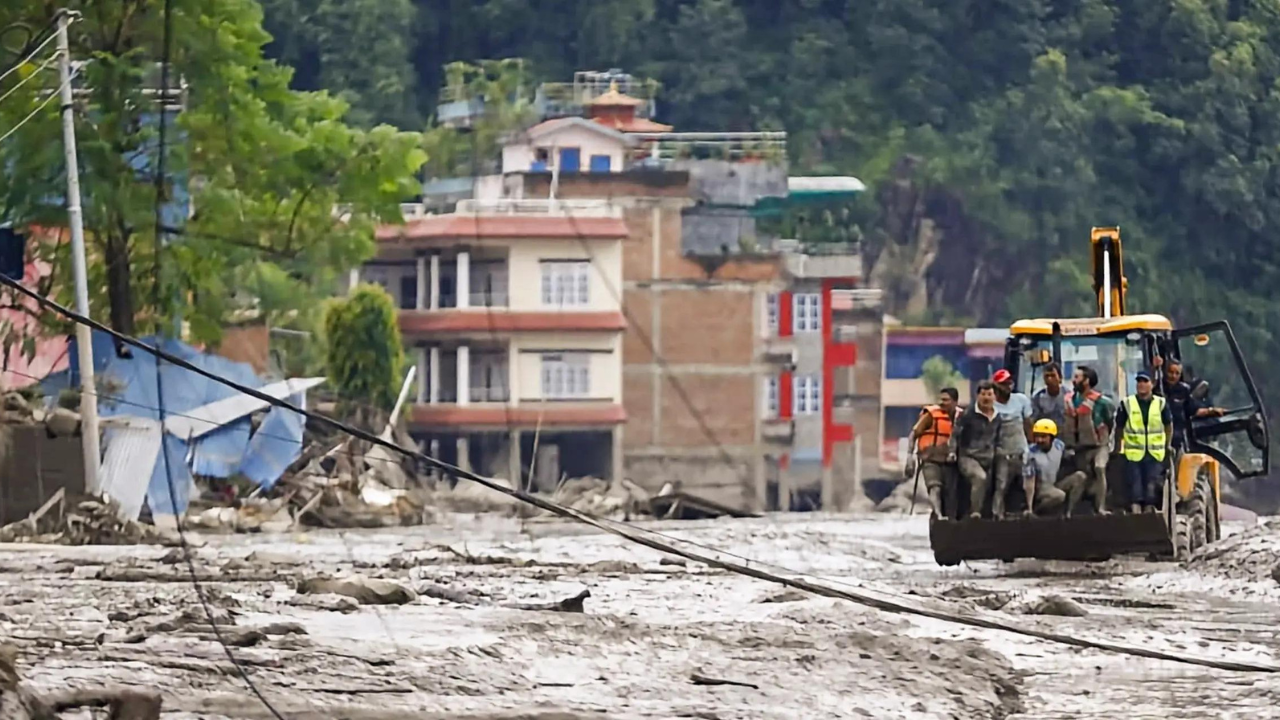
Authorities in India have established dedicated emergency helplines following severe monsoon flooding in neighboring Nepal, which has left more than 130 Indian citizens unaccounted for. The heavy rains and subsequent inundations have severely impacted several regions, disrupting infrastructure and cutting off communication channels in multiple areas.
The disaster unfolded during the peak of the South Asian monsoon season, a period historically marked by torrential downpours, swollen rivers, and widespread landslides across the Himalayan foothills. Nepal has experienced extensive property damage and loss of life as rushing waters swept away homes and roadways. Rescue teams operating in the affected zones are facing immense challenges due to impassable terrain and ongoing adverse weather conditions.
In response to the crisis and mounting anxiety among families back home, the Indian government has stepped up coordination efforts with local authorities in Nepal. Dedicated helpline numbers have been activated to assist relatives seeking information about missing loved ones or requiring consular support. Officials are urging families to utilize these communication channels as search and rescue operations continue on the ground.
Diplomatic missions and local disaster management agencies are working in close cooperation to track the safety and whereabouts of stranded citizens. The Indian embassy in Kathmandu is maintaining a continuous dialogue with Nepalese disaster response coordinators to ensure that foreign nationals receive necessary aid and evacuation assistance where possible.
Weather forecasters indicate that heavy precipitation may persist in parts of the region, keeping rescue personnel on high alert for further flooding and mudslides. Relief materials, including food, clean water, and medical supplies, are being mobilized to support vulnerable populations trapped by the deluge. Authorities have reiterated warnings for residents and travelers to avoid hazardous riverbanks and landslide-prone zones until conditions stabilize.
Reporting based on coverage first published by The Times of India. Read the original report at The Times of India.