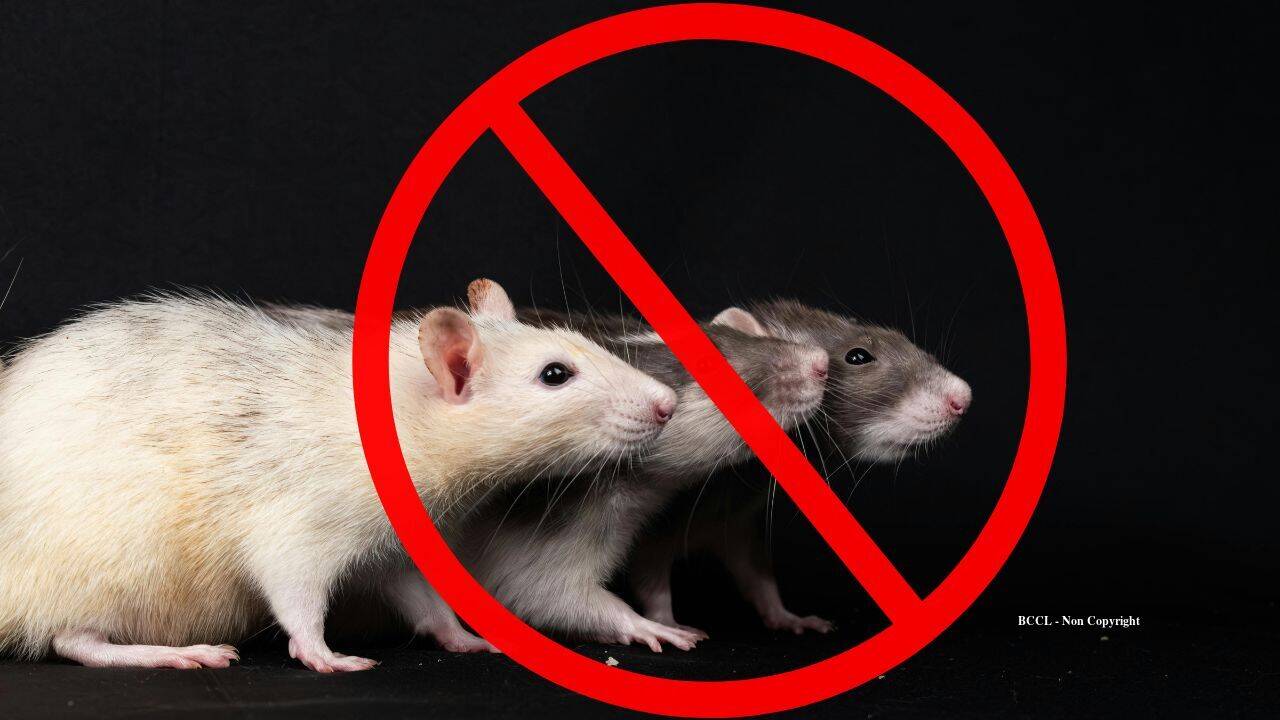
Conservationists in New Zealand have successfully restored a fragile island ecosystem by eliminating invasive rodent populations. The ambitious environmental project has created a safe haven for native wildlife, leading to an immediate and remarkable resurgence of a rare bird species known as the saddleback.
The initiative focused on clearing destructive rats that had long threatened the indigenous fauna and flora of the isolated landmass. These introduced predators preyed heavily on ground-nesting birds, eggs, and vulnerable chicks, driving several unique regional species toward the brink of extinction. By utilizing targeted eradication methods, environmental teams managed to make the island entirely predator-free.
Following the removal of the rodent threat, the local saddleback population experienced a dramatic recovery. The birds, recognized by the distinct orange saddle-like markings on their backs, quickly reclaimed their historic habitat. With the danger of predation removed, nesting success rates soared, allowing the vulnerable avian community to multiply at an unprecedented pace.
New Zealand has long been a global pioneer in large-scale ecological restoration and predator eradication projects. Conservation authorities frequently target offshore islands to establish secure sanctuaries for endangered species that cannot survive the pressure of introduced mammalian predators on the main islands. These fenced or isolated zones act as population reservoirs, ensuring that native biodiversity is preserved for future generations.
The rapid rebound of the saddleback highlights the remarkable resilience of nature when destructive foreign species are removed. Biologists and wildlife managers continue to monitor the island closely to prevent any new introductions of pests. This latest success story provides a promising blueprint for ongoing and future conservation efforts across the Pacific region.
Reporting based on coverage first published by The Times of India. Read the original report at The Times of India.