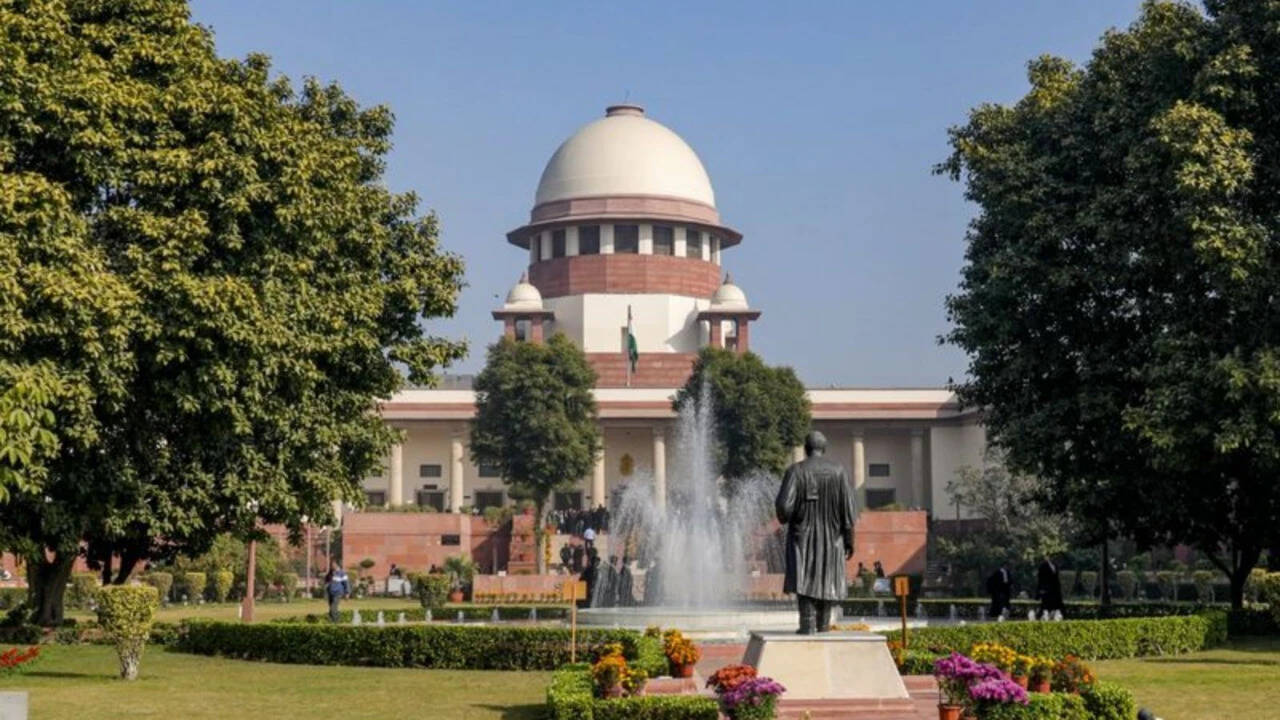
The Supreme Court of India has agreed to examine a petition filed by the central government challenging the heavy reliance on financial income alone when determining the creamy layer status within the Other Backward Classes category.
The central government's petition argues that monetary earnings should not serve as the sole benchmark for excluding affluent individuals from reservation benefits. Instead, authorities contend that social standing, parental occupation, and overall status should play an equally vital role in evaluating who falls into the privileged bracket.
The creamy layer designation was established to ensure that affirmative action benefits reach genuinely disadvantaged citizens rather than those within the community who have already achieved social and economic advancement. Currently, financial thresholds are periodically adjusted to account for inflation and economic growth, drawing a strict line based on annual family earnings.
Critics of the strict monetary approach have long argued that income alone fails to capture true social mobility or the lingering effects of historical disadvantage. The central government's latest legal move seeks judicial backing to adopt a more comprehensive evaluation model that looks beyond simple tax brackets and salary figures.
A bench of the Supreme Court accepted the central government's plea for an official hearing to review the existing framework. The court is expected to examine whether the current income-centric guidelines adequately fulfill the constitutional objectives behind reservation policies.
Legal experts note that any potential alteration to the creamy layer criteria could significantly reshape access to higher education and government employment opportunities across the country. The upcoming hearings will likely invite detailed submissions from various stakeholders regarding how disadvantage and privilege should be measured in modern society.
Reporting based on coverage first published by The Times of India. Read the original report at The Times of India.