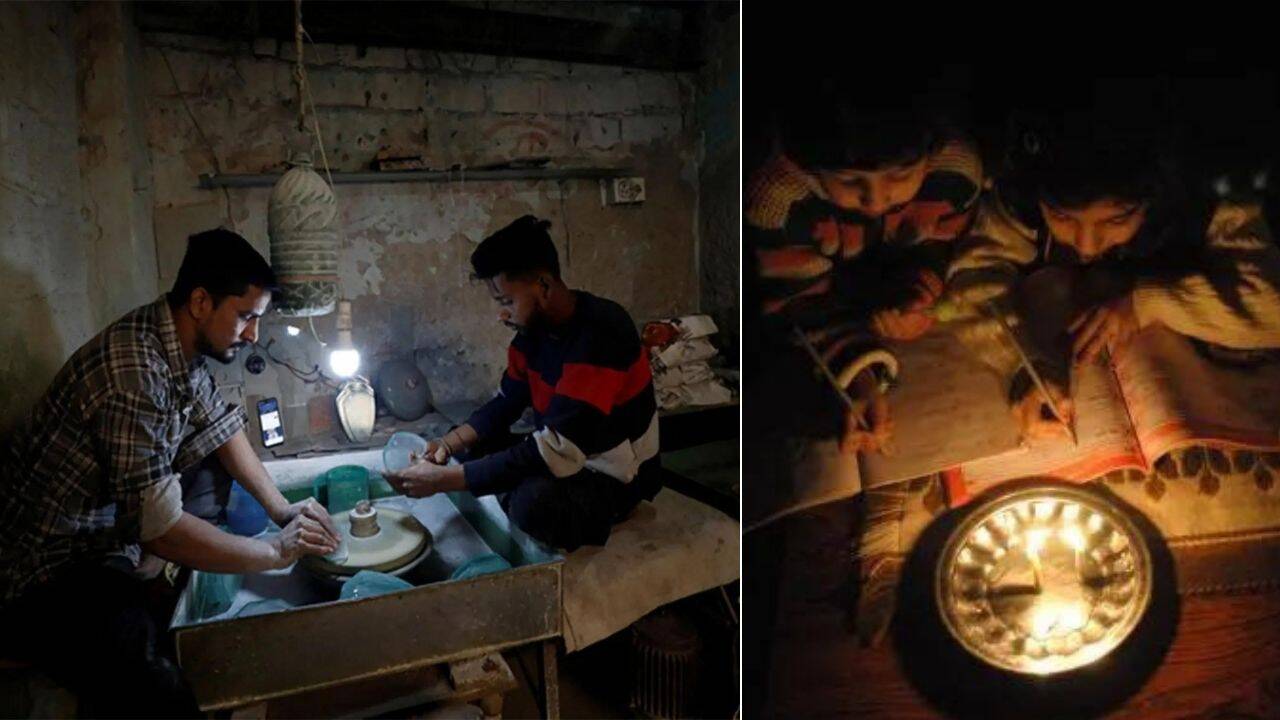
KARACHI—Pakistan is facing a severe escalation in its ongoing energy crisis, with the country's largest financial hub and most populous city bearing the brunt of widespread infrastructure failures. Residents across Karachi have reported grueling electricity outages lasting up to 24 hours at a time, crippling daily life, commercial activity, and essential public services in the metropolis.
The rolling blackouts have intensified pressure on the national power grid, which has struggled for years with chronic fuel shortages, outdated distribution networks, and massive financial debt. As temperatures remain high, the continuous loss of electricity has left millions of citizens without air conditioning, refrigeration, and reliable access to clean water.
Local businesses and industrial sectors in Karachi have warned that the prolonged power interruptions are causing catastrophic financial losses. Factories reliant on continuous electricity have been forced to halt production lines, while smaller merchants and shopkeepers report severe disruptions in their ability to conduct daily commerce.
Hospitals and emergency medical facilities have also been severely tested by the unyielding outages. Many healthcare institutions are forced to rely on expensive diesel-powered backup generators to keep critical life-support machinery and operating rooms functioning, straining operational budgets amid soaring fuel costs.
Energy sector analysts point to systemic mismanagement and financial instability within the state-run power distribution companies as primary drivers of the crisis. Circular debt within the energy sector has severely hampered the government's ability to procure sufficient liquefied natural gas and furnace oil required to feed power generation plants at full capacity.
Public frustration has mounted as citizens demand immediate intervention from federal and provincial authorities to stabilize the grid. Protests have broken out in several neighborhoods, with residents blocking major thoroughfares to voice their anger over the persistent lack of basic utilities.
Government officials are under intense scrutiny to deliver a viable long-term solution to the country's recurring power shortages. However, financial constraints and the sheer scale of infrastructural degradation mean that quick fixes remain unlikely, leaving Karachi residents bracing for further disruption to their daily lives.
Reporting based on coverage first published by The Times of India. Read the original report at The Times of India.