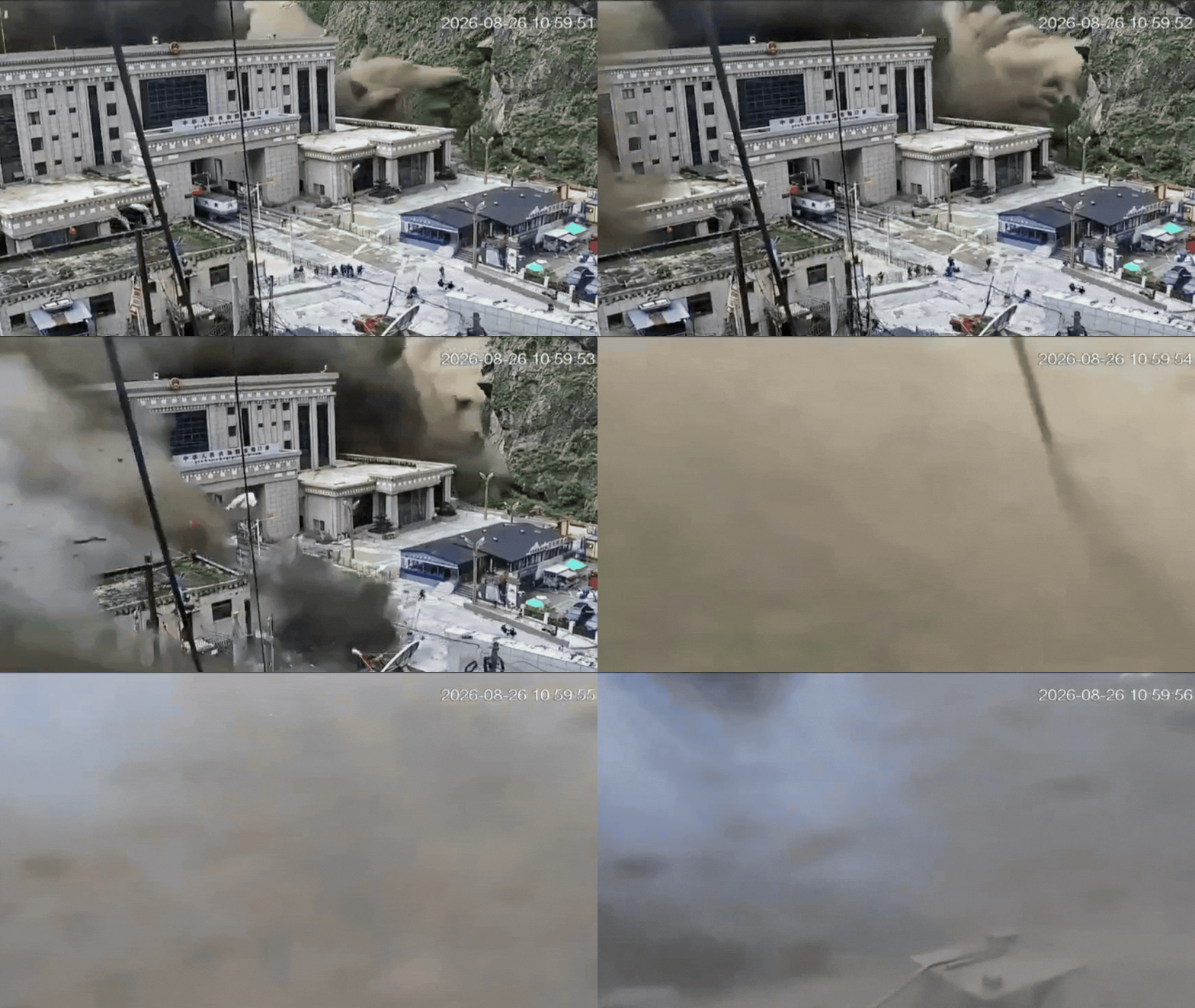
Recent analysis of a devastating glacial disaster in the Himalayas suggests that critical warning signs were present days before the catastrophe struck. The tragedy, which resulted in a massive death toll exceeding eleven hundred individuals, has triggered intense scrutiny regarding how environmental hazards are monitored in high-altitude regions.
According to scientific observations, the collapse was preceded by distinct visual indicators in the landscape. Researchers noted the appearance of unusual brown meltwater flowing from the area, alongside the formation of a growing fracture on the slope. These phenomena are now recognized as vital precursors that might have allowed for timely evacuations if they had been intercepted by an active observation network.
Experts examining the incident emphasize that many more lives could have been preserved had modern early-warning infrastructure been in place. The scale of the disaster has underscored a dangerous gap in real-time tracking for remote glacial lakes and unstable terrain. Communities situated downstream remain highly exposed to sudden hydrological events driven by climate shifts and rising temperatures in the mountain ranges.
In the wake of the tragedy, specialists are calling for a substantial upgrade in how vulnerable regions oversee slopes and ice formations. Comprehensive monitoring systems are viewed as essential for detecting structural failures before they escalate into catastrophic flash floods. Continuous surveillance of remote areas can provide the necessary lead time to secure populated valleys below.
Furthermore, the disaster highlights the urgent necessity for improved international coordination between neighboring nations. Because glacial hazards frequently originate across national borders, effective risk management relies heavily on shared data and joint response frameworks. Ensuring the safety of Himalayan populations will require continuous collaboration and robust technological investments across the region.
Reporting based on coverage first published by The Times of India. Read the original report at The Times of India.