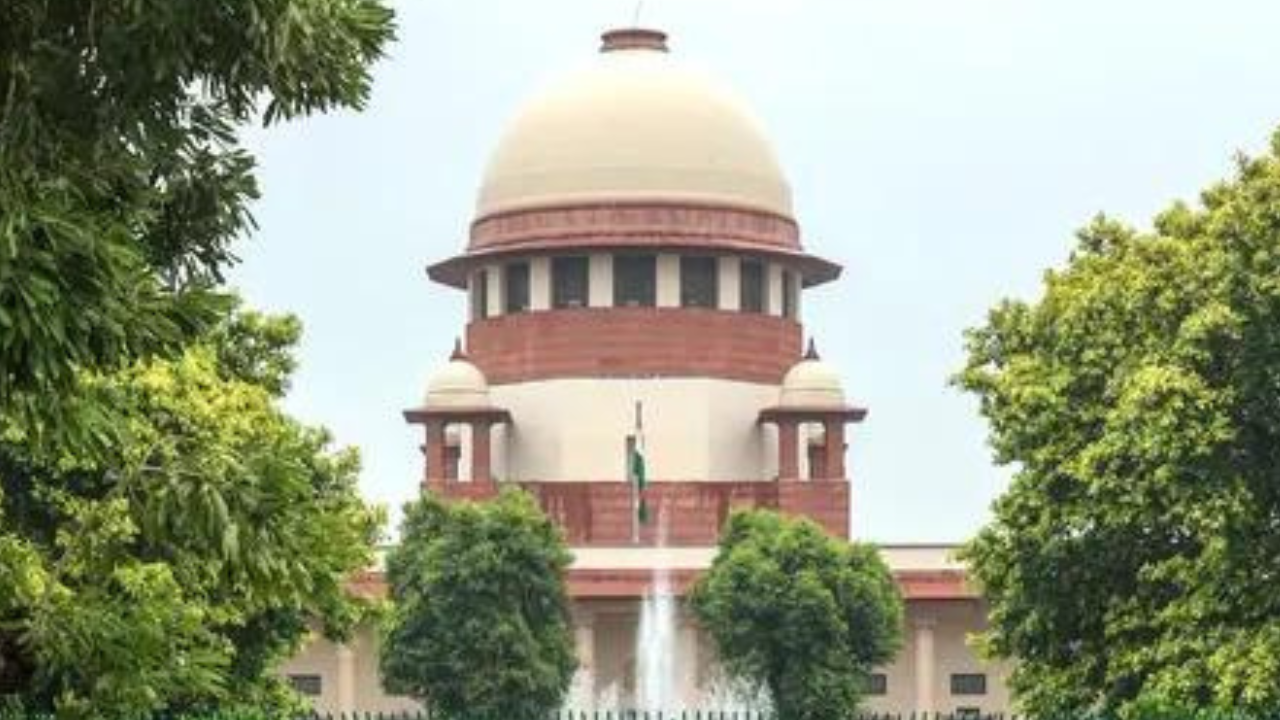
The Supreme Court of India has delivered a final ruling granting pension benefits to a retired Mumbai engineer, despite findings that he secured his original government employment using a fabricated Scheduled Tribe certificate. The legal dispute has concluded after years of scrutiny regarding the validity of the professional credentials the employee used during his tenure.
The case centers on an individual who joined a public sector organization in Mumbai decades ago under a category reserved for marginalized communities. Authorities later determined that the Scheduled Tribe certificate submitted at the time of hiring was forged. Following administrative inquiries, actions were taken concerning his employment status, leading to protracted legal battles in various judicial forums.
Despite the confirmation of the document's fraudulent nature, the apex court decided in favor of granting retirement dues. The rationale weighed the length of continuous service rendered by the engineer against the initial misconduct. Having completed decades of active employment before reaching retirement age, the court determined that completely stripping him of his post-retirement financial security was disproportionate under the specific circumstances of the case.
The verdict highlights the complex balance Indian courts must strike when addressing historical document fraud within public institutions. While upholding the gravity of utilizing false credentials to secure government posts, the judiciary occasionally grants equitable relief to employees who have worked for a lifetime, ensuring they are not left destitute in their old age. Legal experts note that such decisions depend heavily on individual case metrics, including the absence of severe disciplinary issues during the actual tenure of employment.
With this ruling, the administrative authorities are expected to process the retirement disbursements accordingly. The decision closes a lengthy chapter of litigation for the former municipal engineer, bringing finality to a matter that wound its way through multiple levels of the Indian justice system.
Reporting based on coverage first published by The Times of India. Read the original report at The Times of India.