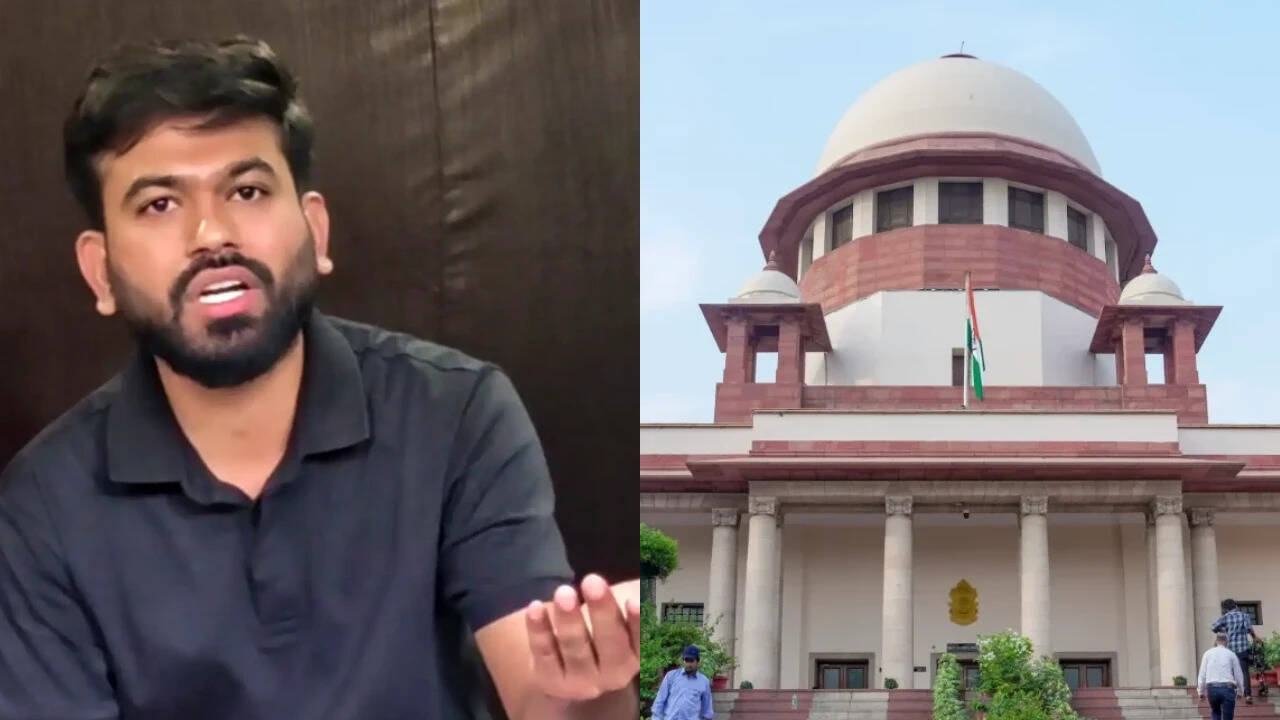
A fresh legal petition has been filed before the Supreme Court of India seeking restrictions on a planned protest march organized by the Central Jan Parishad in the national capital. The demonstration is scheduled to take place on September 5 within the high-security Lutyens zone of New Delhi. The petition asks the apex court to intervene and impose strict boundaries or alternative routes to prevent severe disruptions in the central administrative district.
Lutyens' Delhi houses several critical government institutions, including the Parliament House, various central ministries, and the residences of senior dignitaries and judges. Because of its strategic importance and heavy daily traffic, the area is frequently subject to stringent security protocols and traffic regulations. Organizers of the upcoming rally intend to gather large crowds to voice their grievances, prompting immediate concern regarding public order, safety, and potential gridlock.
The petitioners have highlighted the likelihood of massive traffic congestion and difficulties for emergency services if the march proceeds without stringent controls. They have urged the judiciary to direct local authorities to regulate the gathering or relocate it to a designated protest site outside the core administrative sector. Such legal challenges ahead of major public demonstrations are a common occurrence in India, as courts frequently attempt to balance the constitutional right to assemble peacefully with the public's right to free movement and safety.
As the September 5 date approaches, city authorities are expected to review security arrangements and respond to the concerns raised in the Supreme Court filing. Traffic police typically issue advisories ahead of major demonstrations in the capital, detailing alternative routes and road closures for commuters. The Supreme Court is expected to review the plea in the coming days to determine whether judicial intervention is necessary to regulate the protest march.
Reporting based on coverage first published by The Times of India. Read the original report at The Times of India.