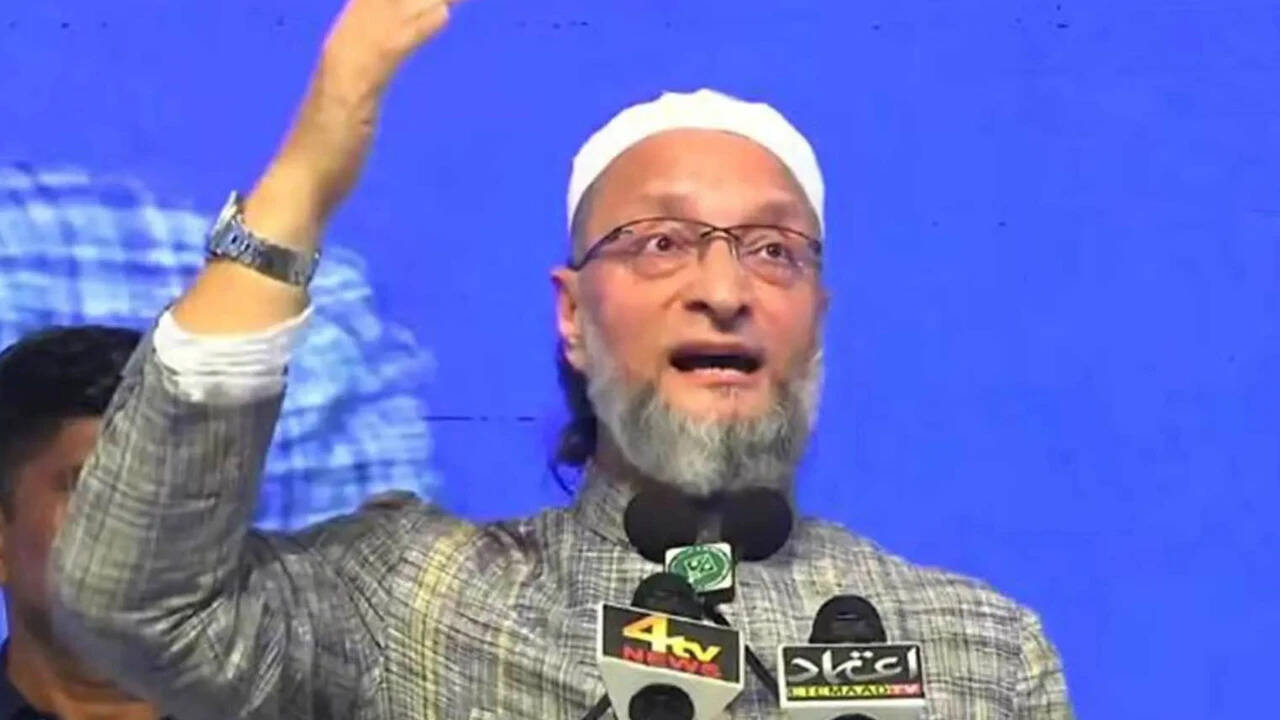
Asaduddin Owaisi, the president of the All India Majlis-e-Ittehadul Muslimeen, has launched a sharp political critique against the ruling Bharatiya Janata Party and its ideological mentor, the Rashtriya Swayamsevak Sangh. During a recent public address, Owaisi questioned the sincerity of these organizations regarding the supreme law of the land, pointing to historical opposition toward the foundational text adopted in 1949.
The AIMIM leader asserted that the ideological predecessors of the current ruling establishment favored the ancient legal text known as the Manusmriti over the modern democratic framework drafted under the leadership of Dr. B.R. Ambedkar. He argued that this historical stance reflects a fundamental ideological divergence from the values of equality, liberty, and fraternity enshrined in the nation's democratic charter.
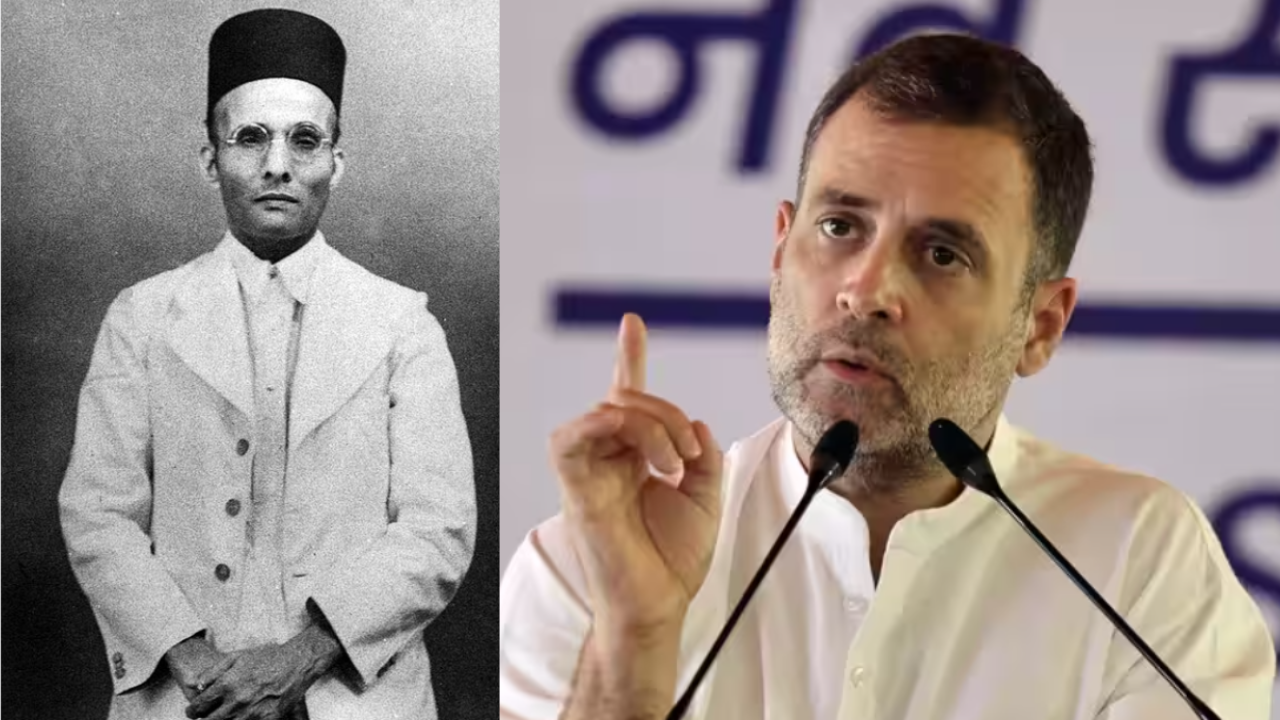
Shifting focus to the era of the independence movement, Owaisi highlighted the contributions and sacrifices made by Muslim freedom fighters who resisted British colonial rule. He contrasted their active participation and imprisonment during the freedom struggle with the historical actions of Hindutva ideologue Vinayak Damodar Savarkar, referencing letters written by Savarkar to British authorities while he was incarcerated in the Cellular Jail on the Andaman Islands.
The debate surrounding the relevance of ancient textual codes versus modern constitutional principles has intensified across the country in recent months. Critics and political figures frequently debate how historical texts align with contemporary democratic governance, leading to ongoing clashes between opposition parties and the ruling coalition.
Political analysts note that invoking historical figures and foundational documents remains a central strategy for parties across the political spectrum as they seek to define their nationalist credentials. The latest remarks from the Hyderabad Member of Parliament add to the broader national conversation concerning historical narratives, constitutional integrity, and ideological legitimacy in contemporary Indian politics.
Reporting based on coverage first published by The Times of India. Read the original report at The Times of India.