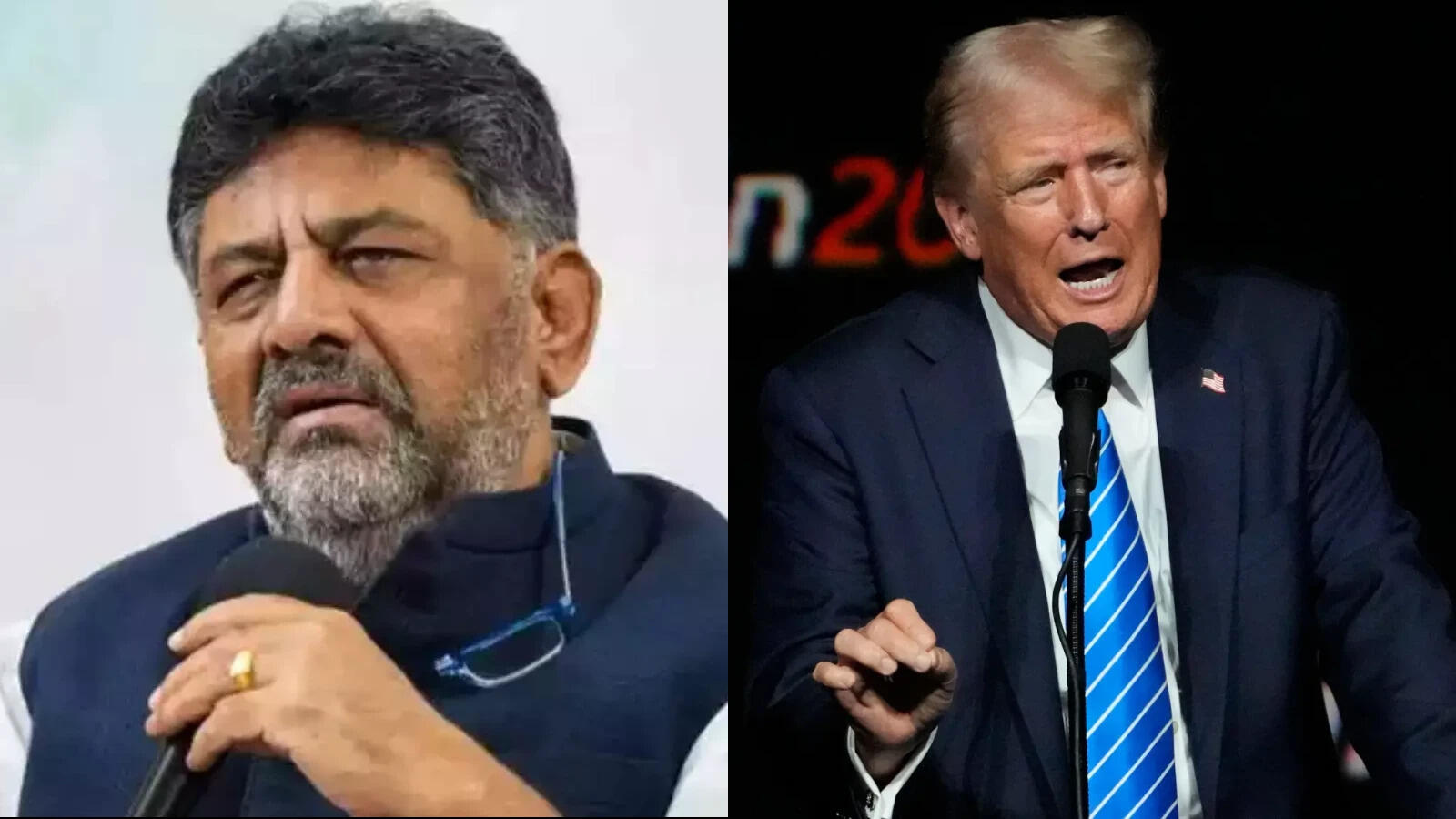
Karnataka Deputy Chief Minister D.K. Shivakumar has claimed that a recent financial proposal introduced by United States presidential candidate Donald Trump borrows directly from the welfare strategies of the Indian National Congress.
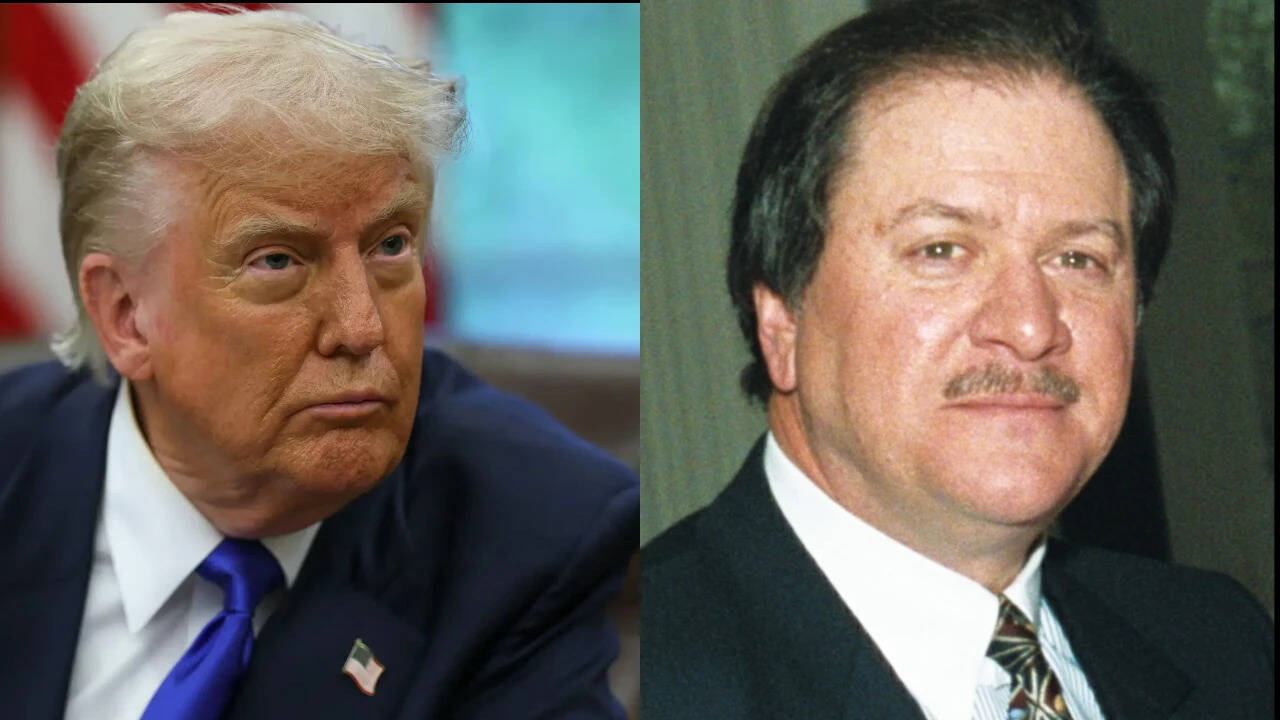
Trump recently outlined a plan to distribute five thousand dollars to every adult citizen in the United States if the Republican Party secures victory. Analysts estimate that implementing such a sweeping direct-benefit initiative could require approximately 1.2 trillion dollars.
Speaking on the announcement, Shivakumar described the American proposal as an emulation of the welfare guarantee models implemented by his party. He asserted that these targeted assistance programs have proven to be overwhelmingly popular and effective among the public.
Despite the bold nature of the American proposal, significant questions remain regarding its viability. Financial experts and political observers have noted that details concerning how the massive expenditure would be funded have not yet been provided. Furthermore, the plan would face substantial hurdles in securing the necessary legislative approval from the United States Congress.
The comparison highlights how welfare-oriented political campaigns in regional Indian politics continue to draw international attention. Direct-benefit transfers and livelihood guarantees have become central fixtures of modern campaigning, particularly within South India, where parties frequently utilize subsidized goods and direct cash assistance to attract voters.
As the debate over economic populism grows, leaders from various political backgrounds continue to evaluate the long-term fiscal impacts of large-scale financial handouts. While proponents argue that such measures provide essential economic relief to households, critics frequently raise concerns about government debt and fiscal sustainability.
Reporting based on coverage first published by The Times of India. Read the original report at The Times of India.