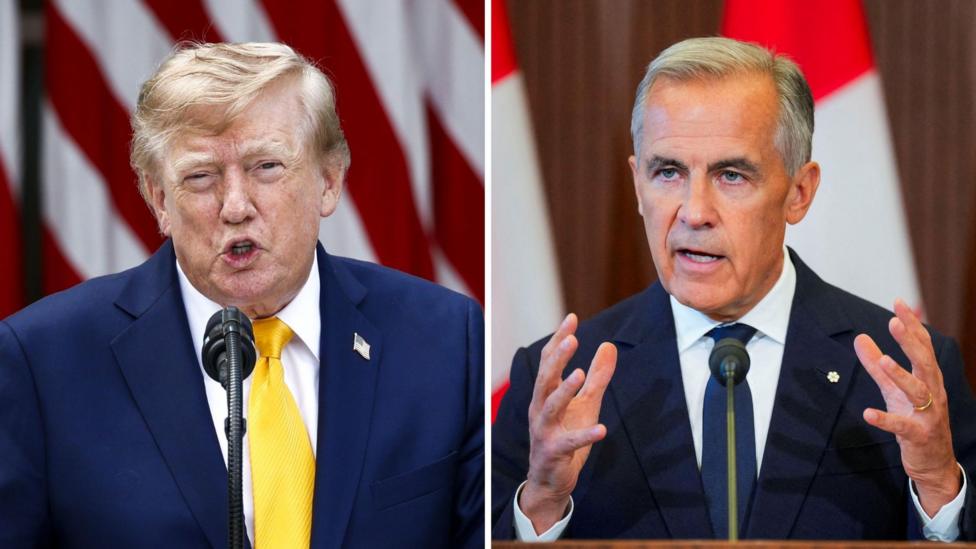
Trade tensions between Ottawa and Washington have intensified, prompting officials in Canada to examine the economic leverage they hold in negotiations with the United States. Although the American economy is the largest in the world, trade data shows that Canada remains the principal export market for dozens of US states. Prime Minister Mark Carney faces mounting pressure from voters to stand firm against American tariff threats rather than offering major concessions.
In response to the duties imposed by Washington, Ottawa has prepared a targeted package of retaliatory measures. These planned counter-tariffs are designed on a dollar-for-dollar basis and focus on key economic sectors such as steel, dairy, agricultural machinery, and electronics. The Canadian Finance Department has indicated that further steps to safeguard domestic workers and industries will be unveiled soon.
Ontario Premier Doug Ford has emerged as a prominent critic of the American administration's trade policies, arguing that the White House fails to appreciate Canada's economic importance. Provincial leaders and federal officials have also highlighted the critical role Canada plays in supplying energy to the United States. Canada provides a substantial majority of foreign crude oil, natural gas, and electricity consumed south of the border.
While energy restrictions have not been formally integrated into the primary retaliation package, officials have noted that the option remains available. Premier Ford previously suggested implementing a substantial surcharge on electricity exports to neighboring US states, which would directly affect millions of American households and businesses.
Beyond energy, Canada controls major global supplies of essential agricultural and industrial commodities. As the world's leading producer of potash, a vital fertilizer ingredient, Canada holds considerable influence over the agricultural sector in the United States. Furthermore, the country possesses vast reserves of critical minerals like lithium, nickel, and graphite, with provincial figures suggesting that regional exports could be halted if the dispute escalates further.
Previous trade actions have already demonstrated the capacity of Canadian measures to disrupt American industries. Following earlier tariff actions, the majority of Canadian provinces and territories banned American alcoholic beverages from retail store shelves. This provincial boycott triggered a dramatic contraction in export revenues for US winemakers and distillers, marking one of the most severe market disruptions in decades.
In addition to formal government policies, consumer behavior has added to the economic friction. Many Canadian citizens have chosen to alter their travel habits, bypassing vacations and trips to the United States. As both nations navigate this deteriorating trade relationship, policymakers in Ottawa continue to weigh their options for applying sustained economic pressure.
Reporting based on coverage first published by BBC News. Read the original report at BBC News.


