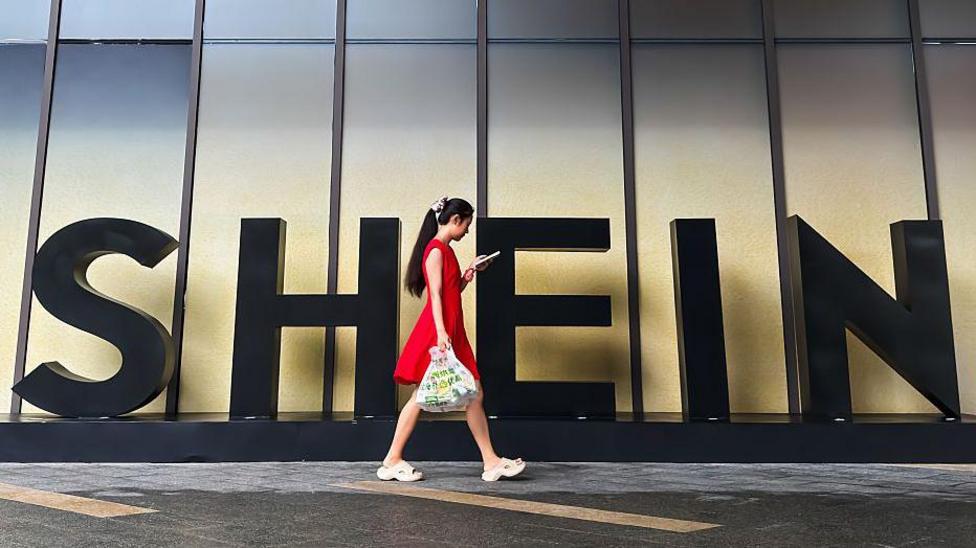
Fast-fashion enterprise Shein has announced intentions to generate approximately $1.77 billion through an upcoming share offering in Hong Kong. The company published regulatory documents indicating that trading in its equities is scheduled to commence on the first day of September.
Under the terms of the proposal, the e-commerce titan will release nearly 280 million shares to prospective buyers. Pricing for the stock has been set within a bracket spanning from HK$47.60 to HK$49.50 per share.
At the maximum end of that pricing spectrum, the enterprise would achieve a total market valuation of nearly $27 billion. That figure represents a steep decline from the $100 billion valuation the firm commanded during a private fundraising event four years ago, a drop driven by climbing expenses and decelerating revenue growth.
The upcoming launch on the Hong Kong exchange follows prior efforts to secure a public listing in the United States and London. Those previous plans stalled amid regulatory hurdles and intense oversight regarding the firm, which maintains its corporate headquarters in Singapore following its founding in China.
Several major financial institutions, including Goldman Sachs, Morgan Stanley, and JP Morgan, are underwriting the initial public offering. The backing from these Wall Street firms highlights the significance of the listing despite recent financial headwinds.
Earlier in the year, the retailer reported a quarterly financial loss as revenue expansion cooled down. The downturn followed a policy change by the United States government that eliminated tariff exemptions previously applied to low-value international shipments.
To mitigate the impact of renewed import taxes and duties, leadership has weighed various countermeasures, including adjusting consumer prices inside the American market. The company also pointed to geopolitical conflicts in the Middle East as a factor that constrained demand, escalated operational expenses, and disrupted delivery schedules in certain regions.
Founded in 2008, the company has grown into a dominant force in the global apparel sector, serving buyers across more than 150 nations. Its business model relies on a vast network of manufacturing partners in China that can rapidly turn trending social media designs into physical inventory.
Despite outperforming traditional competitors such as Zara and H&M in total sales volume, the brand has encountered persistent criticism. External observers have raised alarms regarding the ecological footprint of ultra-fast fashion and pointed to accusations concerning labor practices within its manufacturing network.
The company has previously stated that it maintains a strict policy against forced labor within its supply chain. Scrutiny over these supply chain practices previously contributed to the collapse of its intended flotation on the London market.
Despite these challenges, the retailer continues to expand its consumer base. By the end of March, the platform recorded 281 million active shoppers, marking a year-over-year increase exceeding sixteen percent, while total order volumes surpassed one billion transactions.
Reporting based on coverage first published by BBC News. Read the original report at BBC News.


