Gratuity has long anchored the American dining experience, yet a growing segment of restaurant owners across the United States is pushing back against the custom. Establishments embracing a no-tip policy argue that traditional gratuities create financial instability and income inequality among hospitality workers. Instead of relying on customer tips to supplement wages, these venues raise menu prices to guarantee higher, steady pay for their entire staff.
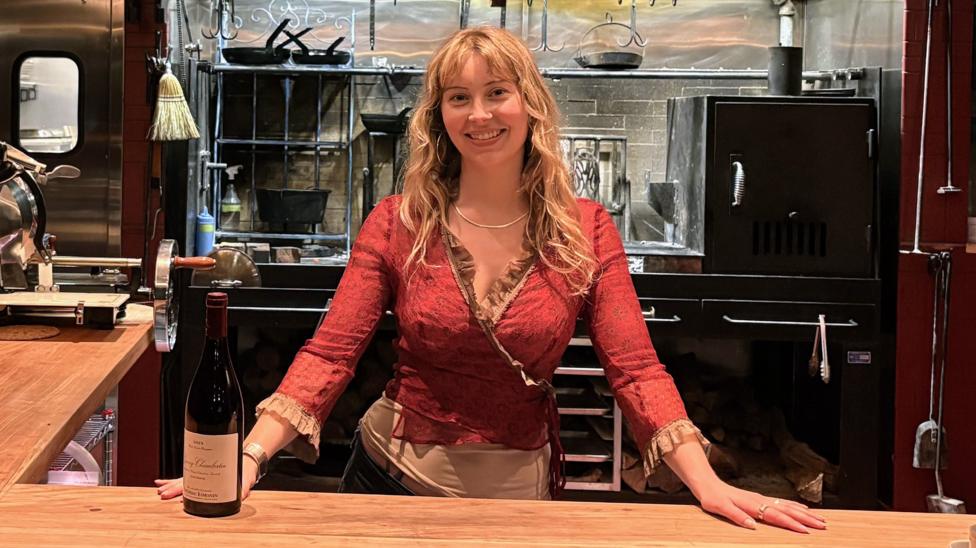
At La Cigale in San Francisco, wine waiter Caroline Kraetzer earns forty dollars an hour, which is double the typical local wage for service personnel. The establishment charges a fixed price of one hundred forty dollars per person for its meals, allowing it to eliminate tipping entirely. Kraetzer notes that removing the pressure of relying on unpredictable customer generosity brings significant peace of mind. She points out that traditional servers often spend hours setting up before service and cleaning up after closing while earning mere minimum wage during those preparation blocks.
Other restaurateurs made the shift to achieve greater equity between front-of-house staff and kitchen teams. Rachel Miller, chef and owner of Nightshade Noodle Bar in Lynn, Massachusetts, transitioned to a tip-free model five years ago following the pandemic reopening. Miller wanted to rectify a system where back-of-house employees, who perform demanding labor out of sight, received only a small fraction of what service staff earned through tips. She also expressed concern that conventional tipping exposes workers to unconscious biases regarding race, gender, and sexuality from diners.
To support elevated wages, Miller adjusted prices at her French-Vietnamese restaurant, where multi-course tasting menus start around one hundred twenty-six dollars. She acknowledges that these higher figures reflect the genuine cost of fair compensation, though patrons must adjust their expectations.
Despite the social benefits, transitioning away from gratuity presents distinct business challenges. Talulla, a restaurant in Cambridge, Massachusetts, abandoned tipping in 2020 to distribute income more equitably, but ultimately reinstated the practice in September of the prior year. Co-owner Danielle Ayer explained that raising menu prices by twenty-three percent could only be sustained through the winter season.
Operating without tips carries hidden financial hurdles for business owners. Because tips do not count toward a restaurant's gross revenue, inflating menu prices increases overall reported revenue, which subsequently triggers higher sales tax burdens.
Academic experts note that consumer perception remains a major hurdle for tip-free dining. William Michael Lynn, a professor of food and beverage management at Cornell University, explains that customers often struggle with the calculation shift. Higher upfront menu prices make eating out appear more costly because patrons frequently fail to factor in the absence of an added tip, leading to reduced customer demand.
Even so, early adopters maintain that the model succeeds once diners understand the concept. Vegetarian restaurant Dirt Candy in New York eliminated tipping back in 2015 to foster fairness, with chef and owner Amanda Cohen currently paying staff roughly thirty dollars an hour. Cohen observes that patrons often feel pleasantly surprised when they realize an extra twenty percent will not be added to their final bill.
The broader cultural shift is also reflected in creative media. Filmmaker Cassidy Van der Kamp produced a documentary titled Tipless, drawing on her past employment at an Oakland, California restaurant that eliminated gratuities. Although some colleagues departed after the transition, Van der Kamp remained, watching her hourly pay rise from ten dollars to twenty-one dollars while experiencing financial stability for the first time.
Reporting based on coverage first published by BBC News. Read the original report at BBC News.


