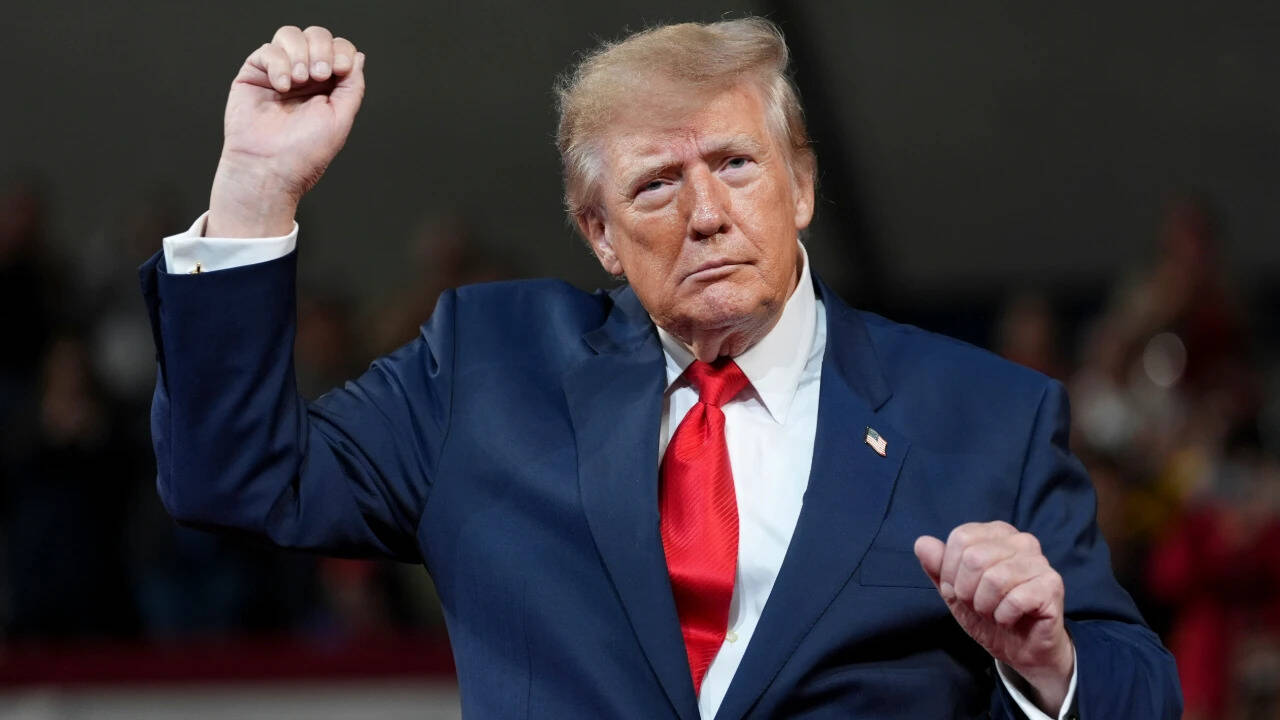
Former United States President Donald Trump has strongly defended a commercial agreement involving Russian diesel imports, despite facing immediate and sharp criticism from lawmakers across both major political parties. The arrangement has sparked a fierce debate in Washington over energy policy, national security, and the ongoing economic restrictions placed on Moscow.
Supporters of the deal argue that it serves domestic economic interests by helping to stabilize domestic fuel prices and secure necessary supplies. Aligning with his signature campaign philosophy, defenders have framed the transaction through the lens of prioritizing the needs of American consumers and businesses above external geopolitical tensions.
However, the defense has failed to quell mounting outrage from Capitol Hill. Lawmakers from both the Democratic and Republican parties have expressed deep concern, arguing that purchasing energy products tied to Russia undermines the broader international coalition working to isolate Moscow economically following its military actions in Ukraine. Critics contend that any financial benefits flowing back to Russian entities ultimately support their state apparatus, regardless of the commercial intermediaries involved.
The controversy highlights the persistent friction between domestic economic pressures, such as the cost of living and energy inflation, and the enforcement of foreign policy goals through economic sanctions. While administration officials and trade representatives navigate these competing priorities, congressional leaders are demanding greater transparency regarding how foreign fuel imports are vetted and processed.
As the political fallout continues to develop, the debate underscores the deep challenges of maintaining a unified economic strategy against sanctioned nations while domestic markets demand affordable resources. The issue is expected to remain a focal point of discussion in Washington as lawmakers weigh potential legislative responses to the controversial import arrangement.
Reporting based on coverage first published by The Times of India. Read the original report at The Times of India.