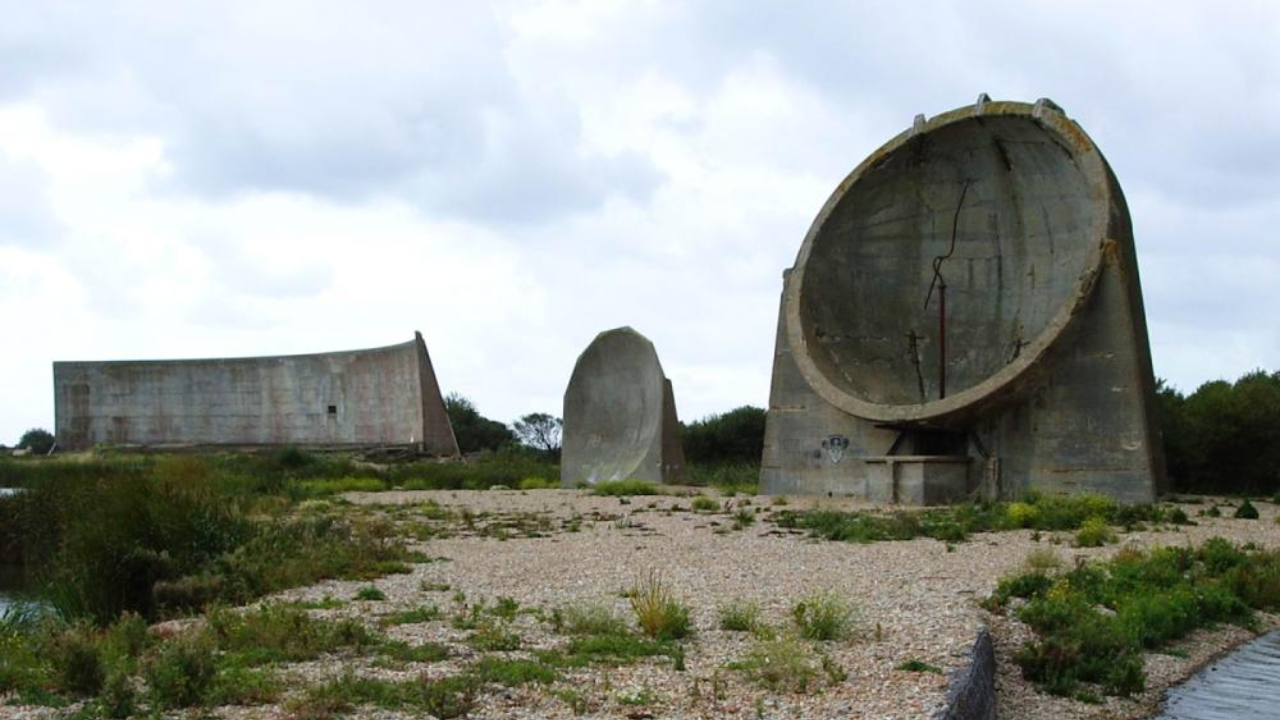
Long before electronic radar systems transformed modern military defense, British engineers experimented with an unusual acoustic method to detect hostile aircraft. Along the Kent coastline sit the Denge Sound Mirrors, a trio of massive concrete installations constructed between 1928 and 1930. These strange, curved structures were designed to capture the distant hum of enemy aircraft engines and buy military defenders precious minutes of advanced warning.
The initiative was spearheaded by physicist Dr William Sansome Tucker in the aftermath of World War I. During that global conflict, coastal towns across the United Kingdom suffered heavy bombing raids from enemy aircraft and airships. Recognizing the vulnerability of the nation's borders, military planners sought innovative ways to detect incoming threats well before they reached visual range.
Each sound mirror functions essentially as a giant ear carved into the landscape. The curved concrete dish collects sound waves traveling through the atmosphere and focuses them toward a central microphone point. Operators stationed at the focal point could listen for the distinctive drone of aircraft engines moving across the English Channel.
While the acoustic mirrors represented a fascinating technological leap for their time, their operational lifespan was remarkably brief. Rapid advancements in aviation technology soon rendered the concrete structures obsolete. As military aircraft grew significantly faster during the 1930s, the early warning time provided by the acoustic system shrank to just a few minutes.
Furthermore, the mirrors proved vulnerable to environmental interference. Background noise from wind, waves, and local wildlife frequently distorted the incoming sound waves, making it difficult for operators to reliably isolate the engine sounds of approaching bombers. The final blow to the acoustic detection program came with the invention and deployment of radio-based radar systems.
By 1939, as the shadows of a new global conflict loomed over Europe, radar technology offered vastly superior accuracy and range. The Denge Sound Mirrors were swiftly sidelined in favor of electronic surveillance networks. Today, these curious concrete relics remain preserved along the Kent shore as unique monuments to a transitional era in military defense history.
Reporting based on coverage first published by The Times of India. Read the original report at The Times of India.