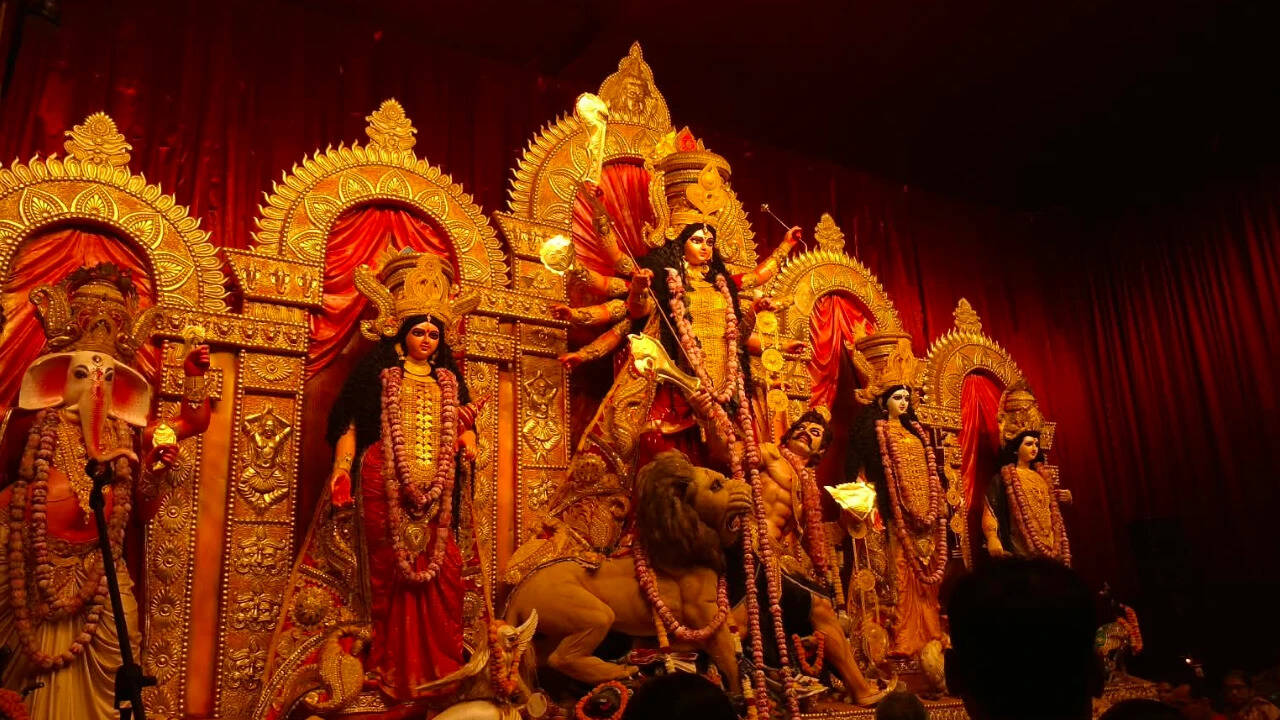
The annual celebration of Durga Pujo brings vibrant life to streets across India and beyond, transforming ordinary neighborhoods into open-air art galleries. At the heart of this massive cultural festival are the pandals, elaborate temporary structures built to house the idols of the goddess Durga and welcome millions of visitors. Constructing these magnificent pavilions requires months of meticulous planning, extensive manual labor, and substantial financial investment.
Behind the dazzling illumination and intricate architecture lies a complex logistical challenge involving artists, engineers, and community organizers. Planning typically begins many months before the autumn festival officially commences, with committees debating themes, structural safety, and visual aesthetics. Artisans and decorators then spend weeks on site welding metal frames, shaping bamboo scaffolds, and molding intricate panels from fabric, clay, and recycled materials.
The financial scope of building a prominent pandal has expanded significantly over the years to meet rising public expectations. Committees rely on a combination of corporate sponsorships, local donations, and government grants to fund the ambitious projects. A large portion of the budget goes toward hiring skilled craftsmen who specialize in specific artistic traditions, ranging from traditional clay modeling to contemporary conceptual design.
Beyond artistic expression, safety and crowd management form a critical component of the construction process. Because millions of devotees visit these structures over a span of several days, organizers must work closely with local authorities to ensure structural stability and adequate emergency exits. Electrical wiring for thousands of decorative lights must be installed carefully to prevent hazards during peak visiting hours.
When the festival concludes, the grand structures are systematically dismantled, and the materials are often recycled or stored for future use. Despite their temporary nature, these ephemeral architectural wonders leave a lasting impression on the cultural landscape. The immense effort required to build each pandal highlights the deep devotion and artistic passion that drive one of the nation's most celebrated cultural events.
Reporting based on coverage first published by The Times of India. Read the original report at The Times of India.