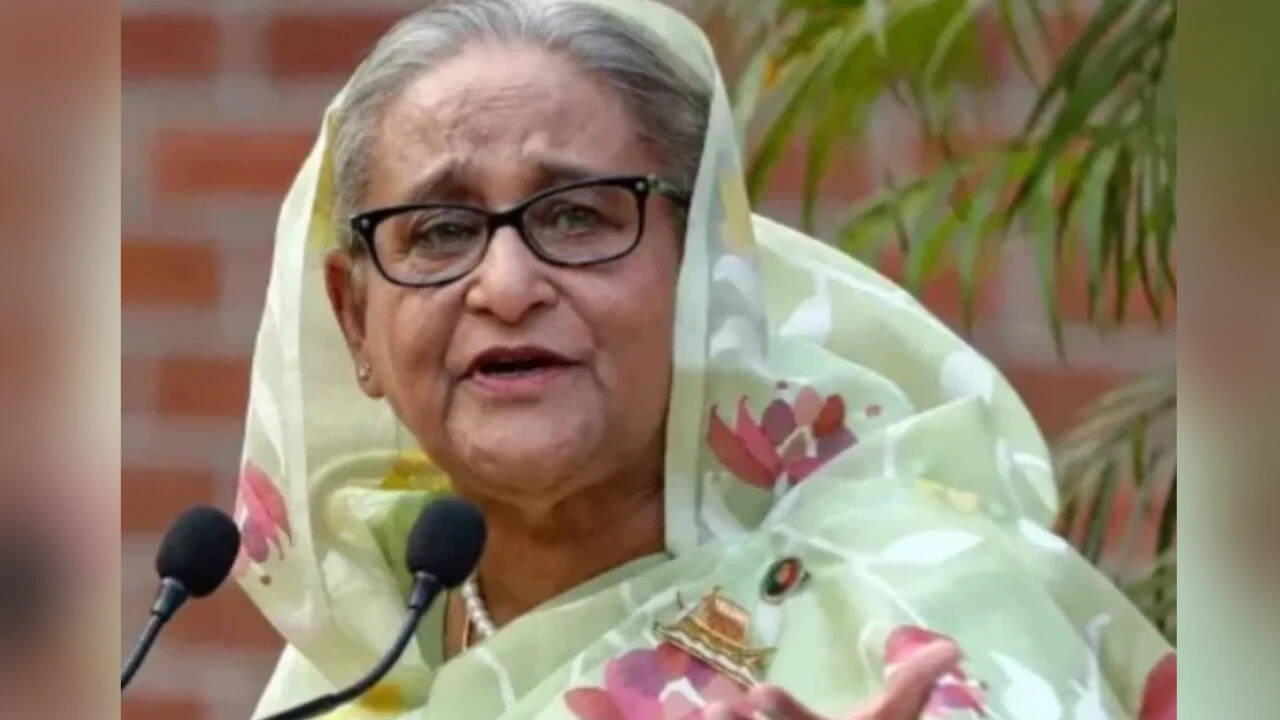
Former Bangladeshi Prime Minister Sheikh Hasina has publicly expressed serious concerns regarding the safety and well-being of religious minorities in her home country. Speaking on the issue, she described a growing atmosphere of fear and vulnerability among vulnerable populations following recent political upheavals.
The remarks highlight ongoing domestic tensions within Bangladesh since the abrupt shift in national leadership. According to reports, minority communities have faced increased pressure and social instability during the transitional period. Observers note that the protection of diverse religious and ethnic groups remains a critical challenge for the interim administration.
Sheikh Hasina remains abroad after leaving Bangladesh amid mass protests that culminated in her resignation and departure from office. From her current base, she continues to monitor political developments closely, frequently commenting on governance and civil rights issues in South Asia. Her latest statements draw renewed international attention to the social fabric and security conditions inside the nation.
Human rights organizations have repeatedly urged authorities in Bangladesh to take proactive measures to safeguard vulnerable populations from violence and discrimination. Ensuring the rule of law and protecting freedom of worship are vital for restoring public confidence. The interim government faces mounting pressure from both domestic and foreign stakeholders to address these security concerns effectively.
The situation underscores the fragile nature of political transitions in the region, where governance shifts often impact minority safety. Analysts suggest that the protection of all citizens, regardless of background, will be a defining factor in the country's future stability. Further developments are expected as international monitors continue to assess human rights conditions across the nation.
Reporting based on coverage first published by The Times of India. Read the original report at The Times of India.