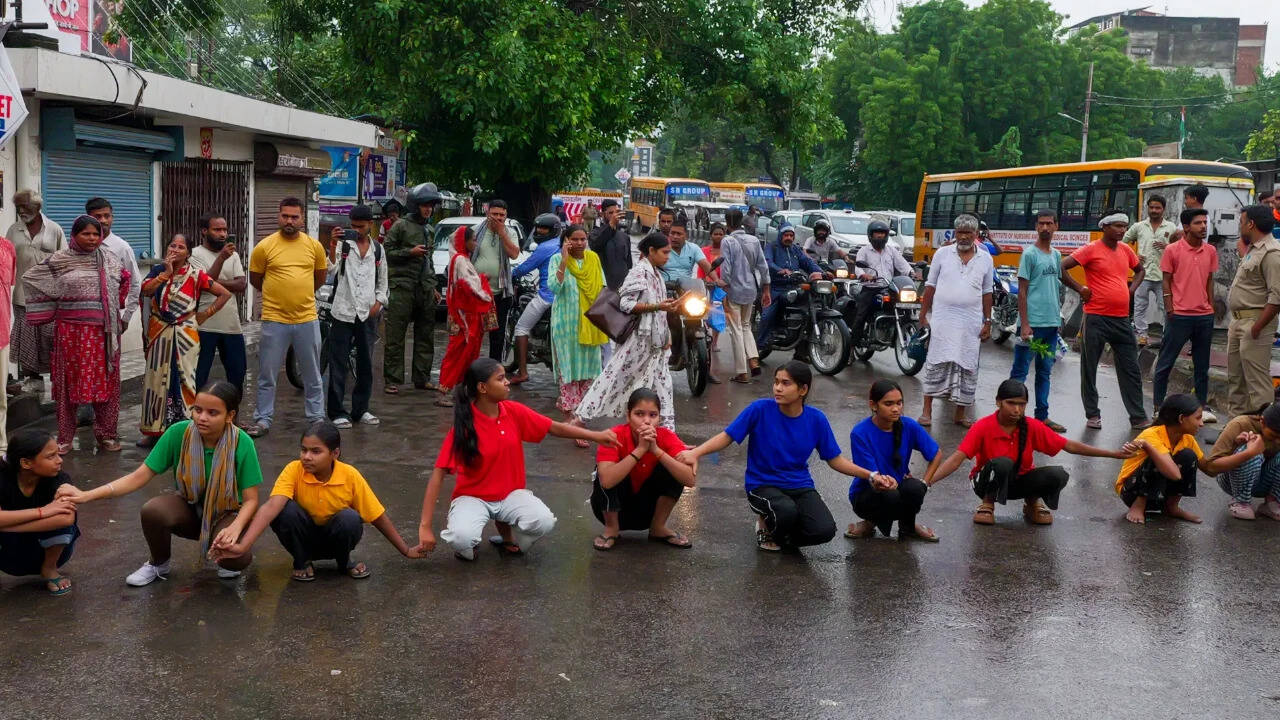
Recent student demonstrations organized by members of Generation Alpha have drawn widespread attention across India, highlighting significant disparities within the country's educational framework. These youthful protests have surfaced as a tangible reflection of official findings released in recent government studies, which document persistent gaps in schooling quality and infrastructure.
The ongoing discussions and demonstrations indicate that educational challenges vary widely depending on location and institutional backing. According to reports, these difficulties are neither universal across the entire nation nor confined to a single specific geographic zone. Instead, the quality of learning environments fluctuates significantly from one district to another, creating unequal opportunities for students.
Government evaluations point to several systemic hurdles contributing to these disparities. Issues such as uneven distribution of teaching resources, varying standards of classroom instruction, and technological divides play a major role in shaping student experiences. While some urban centers boast advanced learning tools and modern facilities, many other areas struggle to provide basic amenities essential for effective teaching.
The involvement of Generation Alpha students in public demonstrations marks a notable shift in how young learners engage with institutional shortcomings. Rather than remaining passive, these students and their supporters are vocalizing their concerns over the state of their learning environments. Their grievances align closely with the data compiled by education ministries, bridging the gap between bureaucratic assessments and ground-level realities.
Observers note that addressing these systemic gaps requires targeted policy measures that go beyond broad reforms. Because the challenges differ considerably across regions, educational authorities face the task of implementing flexible solutions tailored to local needs. Analysts suggest that bridging the divide will necessitate sustained investment in teacher training, infrastructure development, and equitable resource allocation.
As discussions continue between educational administrators and community stakeholders, the focus remains on finding practical ways to resolve the identified shortcomings. The student-led awareness has added urgency to these dialogues, emphasizing the need for transparent and effective action. Further updates on administrative responses and policy adjustments are expected as education departments review the findings.
Reporting based on coverage first published by The Times of India. Read the original report at The Times of India.