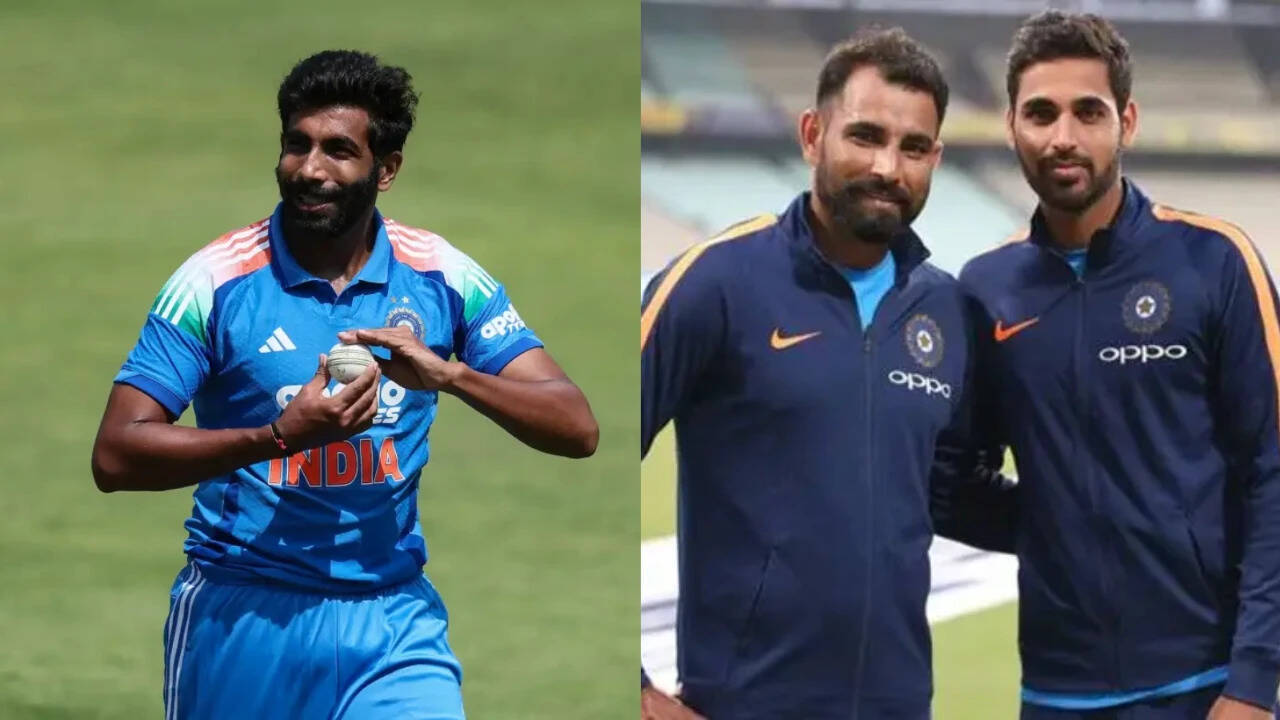
Former Indian cricket team coach Ravi Shastri has expressed strong support for the inclusion of experienced pacers Bhuvneshwar Kumar and Mohammed Shami in the national T20 International squad. His comments come ahead of India’s upcoming tour of New Zealand, which is scheduled to begin on October 22. Shastri emphasized that seasoned campaigners are essential for success when competing in the notoriously difficult playing conditions found across New Zealand.
Alongside his endorsement of the veteran fast bowlers, Shastri addressed the long-term management of star pace bowler Jasprit Bumrah. He advised that the team management must carefully monitor Bumrah's workload across all international formats. According to Shastri, restricting Bumrah from playing every format continuously is necessary to preserve his fitness and longevity in the sport.
The former coach pointed specifically toward the 2027 One Day International World Cup as a crucial milestone that requires careful planning. By resting Bumrah from select matches or formats, India can ensure the fast bowler remains healthy and in peak condition for major global tournaments. Strategic rotation is viewed as a vital tactic to prevent burnout and injury among key players.
India's upcoming assignment in New Zealand presents a tough challenge for the visiting squad, making the selection of proven performers a priority. Conditions in the country often favor swing bowling and aggressive batting, placing a heavy burden on the fast-bowling department. Having reliable veterans like Shami and Kumar in the lineup is expected to provide stability and tactical depth during the series.
Selectors and team leadership will likely weigh Shastri’s recommendations as they finalize their strategies for the tour. Balancing the need for immediate series victories with the preservation of elite talent remains a central challenge for modern cricket management. The October 22 tour opener will mark the beginning of this latest international campaign for the squad.
Reporting based on coverage first published by The Times of India. Read the original report at The Times of India.