Political tensions in Pakistan have escalated significantly as authorities manage a severe crisis within a key regional territory loyal to incarcerated former Prime Minister Imran Khan. The situation unfolded following the declaration of emergency measures in the province, a stronghold for Khan and his Pakistan Tehreek-e-Insaf party.
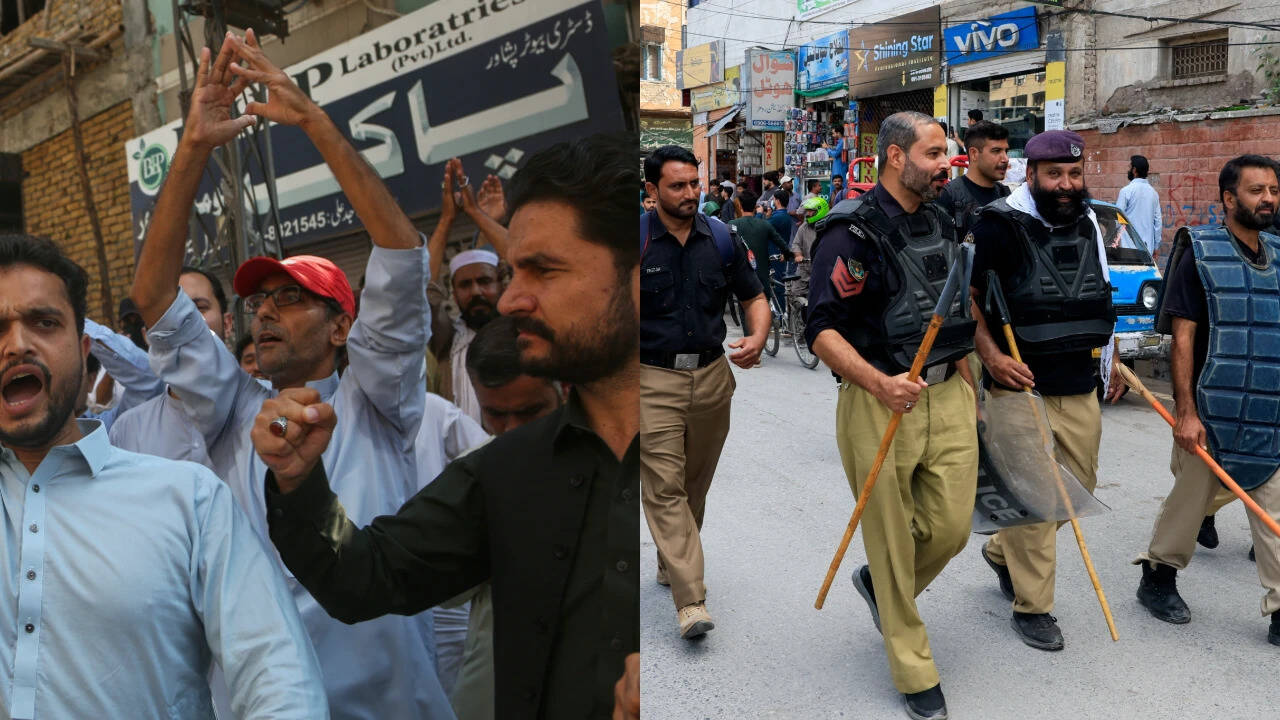
The emergency protocols were implemented to curb mounting civil unrest and maintain public order amid intense friction between provincial leadership and the central government. Officials enacted strict restrictions on public gatherings, increased security deployments across major cities, and enhanced surveillance measures. These actions disrupted daily life for millions of residents, leading to widespread closures of commercial districts and educational institutions.
The unrest stems from ongoing legal battles and political detentions involving Imran Khan, whose loyalists continue to demand his release and the restoration of democratic norms. Supporters view the emergency decree as a direct assault on regional autonomy and a targeted effort to suppress political opposition. Clashes between security personnel and demonstrators have been reported, further straining the relationship between local populations and federal authorities.
Human rights advocates and political analysts have expressed deep concern over the suspension of fundamental freedoms in the territory. Critics argue that utilizing emergency powers to quell political dissent exacerbates systemic instability rather than resolving it. International observers are closely monitoring the developments, urging restraint from all involved parties to prevent further escalation.
As the province navigates this critical phase, the political future of Imran Khan remains a central flashpoint in Pakistan's broader governance landscape. Authorities face mounting pressure to lift the emergency restrictions and initiate a dialogue with regional leaders. Meanwhile, local residents bear the immediate brunt of the security lockdown while awaiting resolution to the political deadlock.
Reporting based on coverage first published by The Times of India. Read the original report at The Times of India.