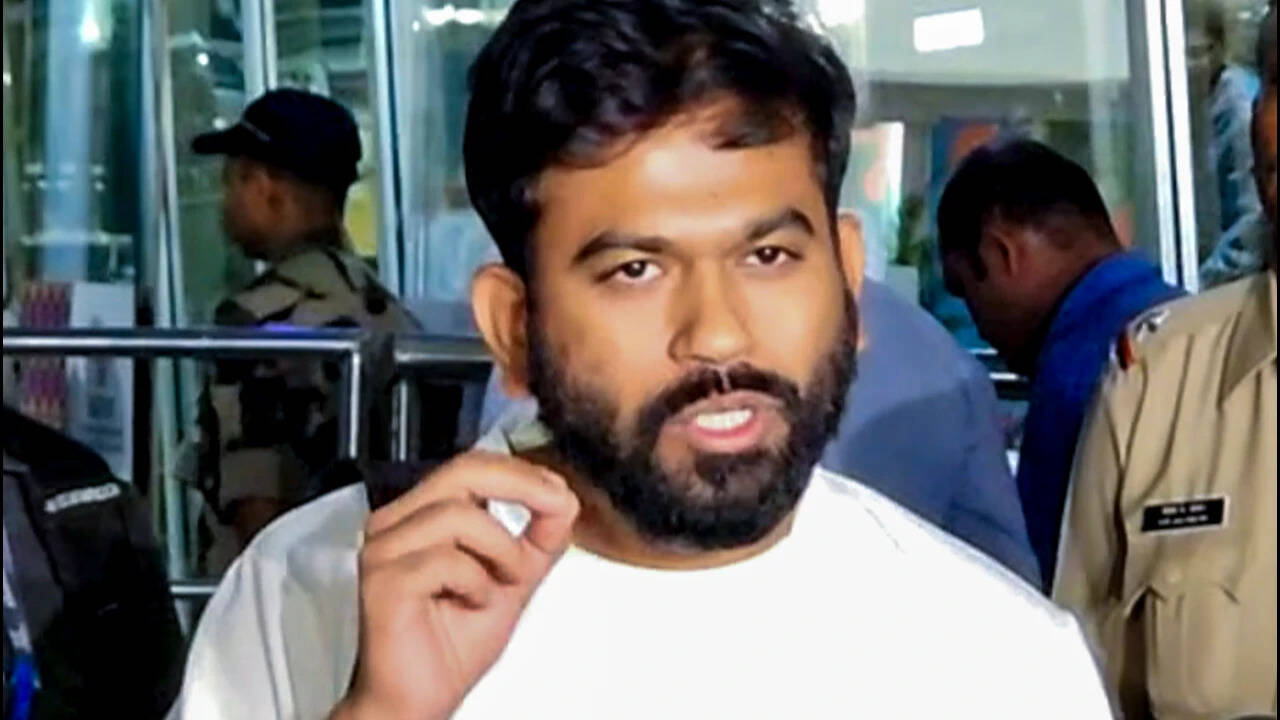
A recent decision by authorities to restrict flag-hoisting activities at the Jantar Mantar monument has sparked a sharp political reaction in the country. Local leader Dipke has publicly condemned the prohibition, characterizing the move as authoritarian and arguing that the historic site is a collective national asset belonging to the entire population of 140 crore Indians.
The controversy centers on access to the prominent national landmark, which has long served as a focal point for public gatherings, demonstrations, and civic expressions. According to reports, the restriction on hoisting the national flag has alienated citizens and groups who view the monument as an open public space for patriotic displays. Critics of the ban argue that limiting such activities undermines the symbolic importance of the historic observatory, which is managed by federal archaeological preservation agencies.
Dipke voiced strong disapproval over the administrative order, emphasizing that national monuments should remain accessible for expressions of civic pride. In public remarks addressing the restriction, the leader maintained that no single authority should have the power to curtail public participation at a site of such cultural and historical significance. The comments have added momentum to an ongoing debate regarding the balance between the preservation of ancient heritage sites and the public's right to utilize them for national events.
Jantar Mantar, located in the heart of the national capital, was constructed in the eighteenth century by Maharaja Jai Singh II of Jaipur. Designed to compile astronomical tables and predict the movements of the sun, moon, and planets, the complex features massive architectural instruments that attract tourists and historians from around the world. Over recent decades, the venue has also evolved into the capital's designated zone for peaceful protests, labor rallies, and civil rights demonstrations.
The latest friction highlights the challenges faced by heritage management bodies in regulating public activities at fragile historical locations. While authorities often implement access rules to prevent structural wear and maintain public order, critics contend that sweeping prohibitions on patriotic gestures go too far. As discussions surrounding the monument's management continue, the debate over who holds ultimate stewardship of India's historical landmarks remains a contentious issue.
Reporting based on coverage first published by The Times of India. Read the original report at The Times of India.