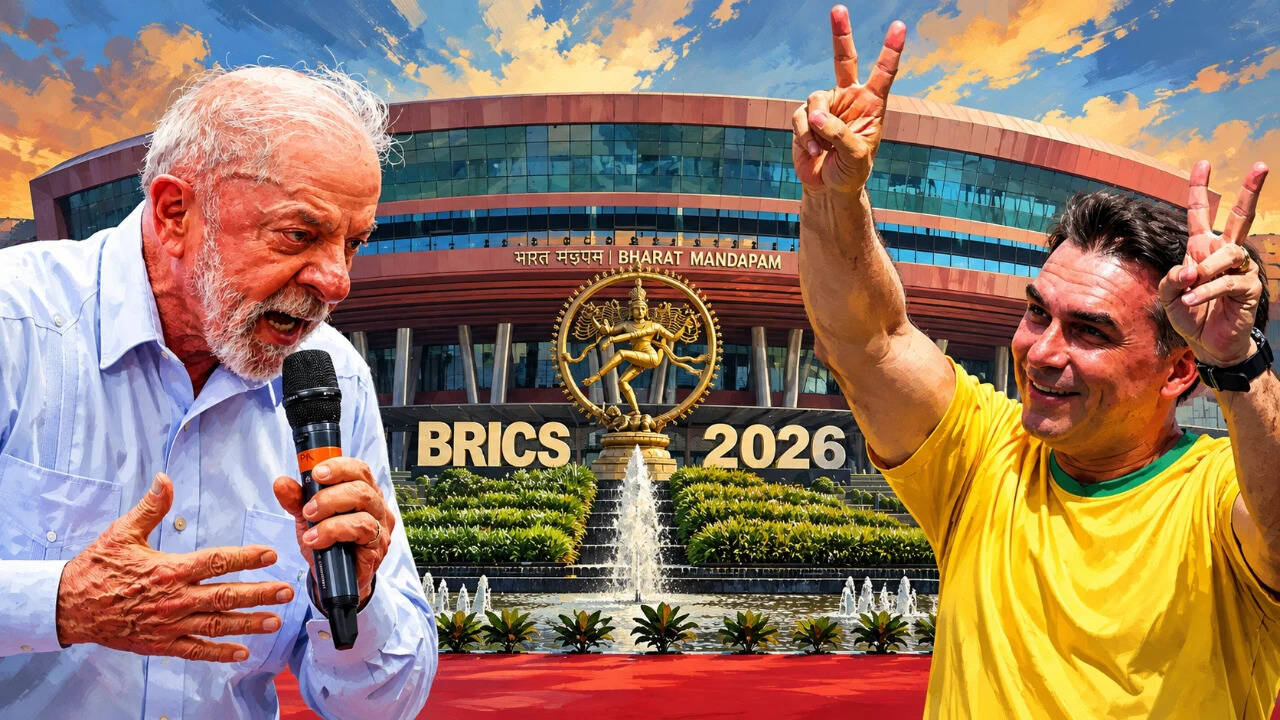
The upcoming presidential election in Brazil carries significant implications for international geopolitics, particularly regarding the future trajectory of the BRICS economic bloc and its relationship with India. As Brazilian voters weigh their choices between incumbent policies and political alternatives, capitals around the globe are watching closely to see how South America's largest economy will shape multilateral diplomacy.
BRICS has undergone substantial transformation in recent years, evolving from its original five-member foundation into a broader coalition of eleven nations. The bloc's membership grew further with the inclusion of Indonesia, expanding its geographic and economic footprint. However, this growth has not been without internal friction regarding the group's overarching mission and identity.
During discussions surrounding the bloc's expansion, Brazilian leadership expressed reservations about admitting certain countries, most notably Iran. Policymakers in Brasília worried that incorporating an openly anti-Western Islamic republic might dilute the cohesion of the organization and shift its diplomatic posture in undesirable ways.
This cautious stance closely aligns with the perspective of India, another key founding member of the bloc. Both New Delhi and Brasília generally view BRICS as a reformist platform rather than a revolutionary force. They advocate for working within established international frameworks to push for institutional change, rather than attempting to construct a rival global order designed to replace existing structures.
The outcome of the presidential contest in Brazil could heavily influence how forcefully the country defends this moderate vision. A shift in executive leadership might alter Brazil's diplomatic alignment on multilateral issues, potentially changing the balance of power within the bloc. As BRICS continues to navigate its expanded membership and divergent member interests, Brazil's foreign policy choices will remain a critical variable for international stability and cooperation.
Reporting based on coverage first published by The Times of India. Read the original report at The Times of India.