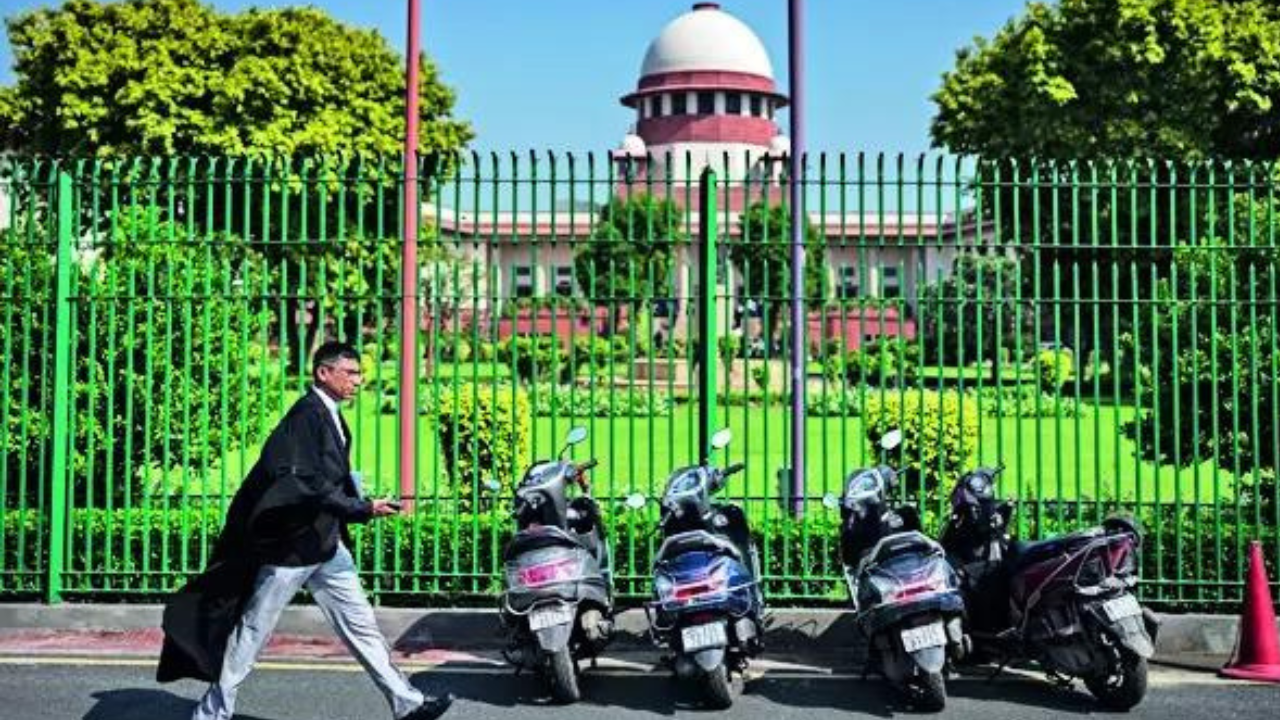
The central government has submitted an apology to the Supreme Court of India regarding a breach of internet restrictions that had been ordered for October 10. Representatives for the administration acknowledged the failure before the judicial bench and emphasized that corrective steps must be implemented to prevent similar occurrences in the future.
Internet shutdowns and digital communication curbs are frequently utilized by authorities in various regions of India to maintain public order during sensitive periods or large-scale events. However, these restrictive measures are subject to strict judicial scrutiny to ensure they comply with constitutional rights and established legal frameworks. When limitations are imposed, government agencies are expected to enforce them rigorously and systematically across all designated networks.
The recent oversight involved a failure in the proper execution of the October 10 directive, leading to unauthorized access or connectivity during a period when a blackout was officially mandated. During the court proceedings, government counsel expressed regret over the breakdown in protocol. The administration conceded that stronger safeguards and monitoring mechanisms are urgently required to guarantee that future administrative orders regarding digital communications are carried out without exception.
Legal experts and civil liberties advocates have consistently raised concerns over the frequent disruption of internet services, arguing that such actions impact everything from daily commerce to educational access and free expression. While the state maintains that temporary digital suspensions are sometimes necessary for national security and public safety, the judiciary closely monitors these actions to prevent overreach.
The Supreme Court is expected to review the administrative lapses further to ensure accountability. The central government's acknowledgment of the error marks a significant development in the ongoing dialogue between the judiciary and the executive branch regarding digital rights and state authority in India.
Reporting based on coverage first published by The Times of India. Read the original report at The Times of India.