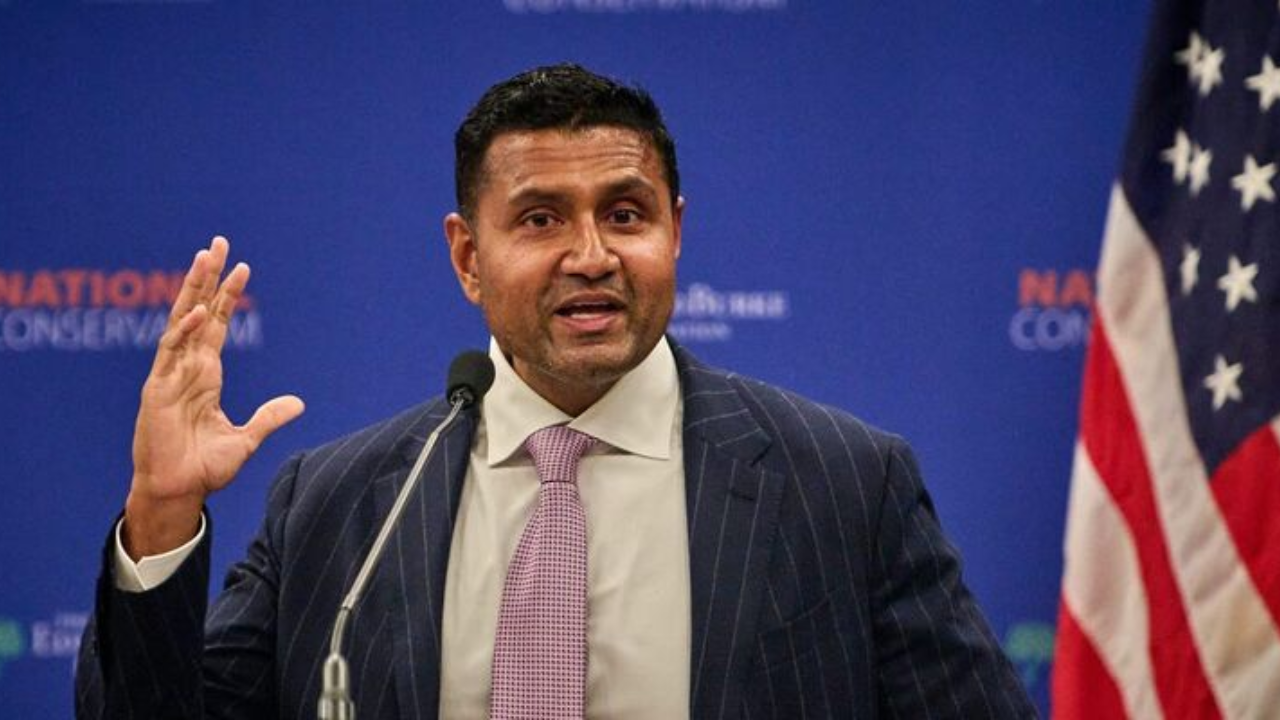
Palantir Chief Technology Officer Shyam Sankar has offered a unique perspective on the mindset of certain artificial intelligence researchers in Silicon Valley, suggesting that a segment of the tech community is adopting high-risk personal habits driven by absolute faith in future medical breakthroughs. During a recent television appearance in the United States, Sankar discussed what he views as a profound cultural shift within the technology sector, pointing to the emergence of extreme philosophical trends among developers working on advanced automation.
According to reports from the interview, Sankar claimed that a subset of artificial intelligence developers has actually begun smoking cigarettes as a deliberate statement of their conviction. The underlying logic, as he described it, is that these individuals believe artificial general intelligence will soon advance to a point where it can effortlessly cure cancer and other major illnesses, rendering lifestyle risks negligible.
In the same broadcast, Sankar elaborated on the psychological drivers behind the rapid expansion of the artificial intelligence industry. He stated that many engineers and researchers have filled a spiritual void in their lives with the concept of a machine-based deity, referring to artificial general intelligence as a new form of higher power. This fervent belief system, in his view, has created a peculiar corporate culture where traditional caution is frequently replaced by zealotry.
Furthermore, the Palantir executive directed criticism toward the effective altruism movement, which has gained significant traction among tech entrepreneurs and wealthy donors in recent years. He argued that this philosophy has actively contributed to widespread anxieties regarding potential apocalyptic scenarios involving runaway artificial intelligence systems. By focusing extensively on speculative existential risks, Sankar suggested that the movement has distorted public discourse and diverted attention from practical engineering challenges.
The remarks highlight ongoing debates within the technology sector regarding the societal impact and ideological underpinnings of the artificial intelligence boom. As companies race to develop more sophisticated models, industry leaders frequently clash over how to balance rapid innovation with ethical governance and realistic risk assessment. Sankar’s commentary sheds light on the intense, almost religious devotion that characterizes a portion of the Silicon Valley workforce as they push the boundaries of modern computing.
Reporting based on coverage first published by The Times of India. Read the original report at The Times of India.