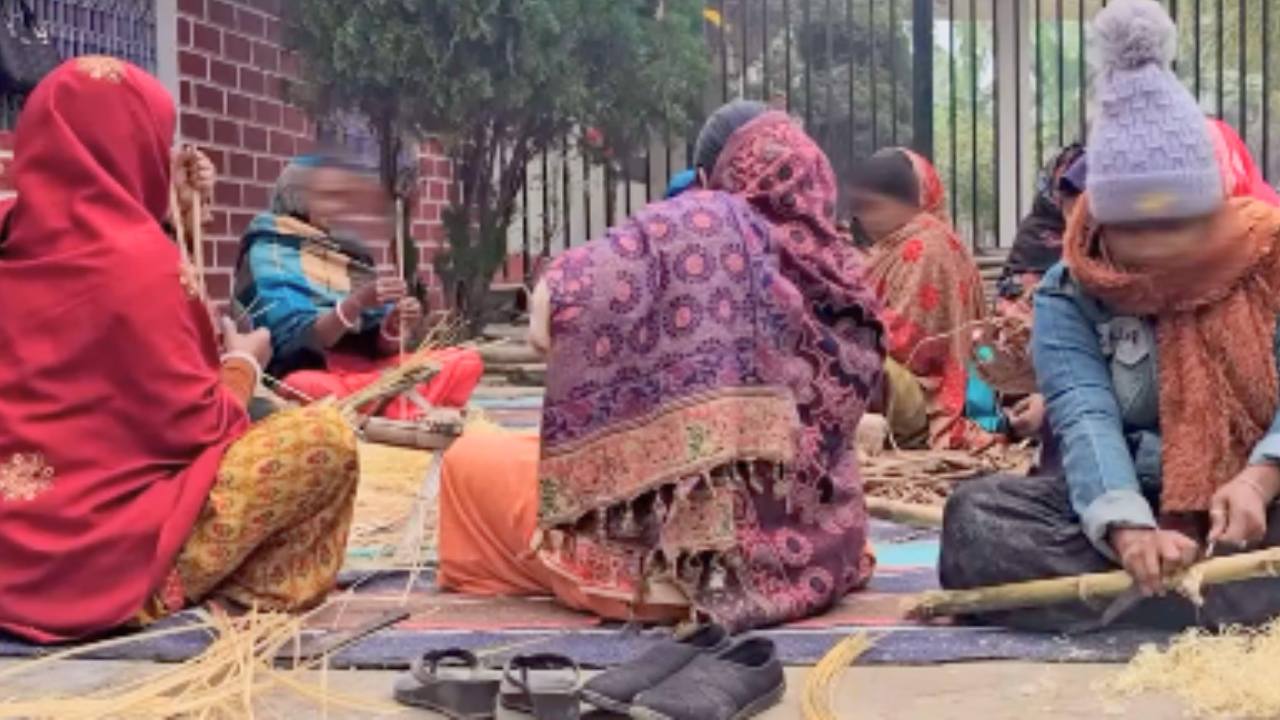
Rural women in the northern Indian state of Uttar Pradesh have transformed an invasive aquatic weed into high-end fashion, culminating in a showcase at one of the country's premier style events. Through a specialized community empowerment initiative, local artisans have learned to harvest and dry water hyacinth, converting the troublesome plant into durable natural fibers. These processed materials are then woven and styled into handcrafted consumer goods, offering participants a reliable source of independent income.
The project centers on local economic development, allowing women to earn a living without having to leave their home villages. By teaching advanced craft and design techniques, the program provides participants with marketable skills that bridge traditional handloom methods with modern environmental aesthetics. This community-based model aims to foster financial independence while utilizing a readily available natural resource that typically chokes local waterways.
Fashion designer Anurag Gupta spearheaded the training efforts, working closely with the artisans to refine their material preparation and product development. Under his guidance, the group translated their traditional weaving knowledge into contemporary silhouettes and accessories suitable for a national runway. This collaboration ensured that the final collection maintained high standards of craftsmanship while preserving the authentic touch of rural Indian handcrafts.
The culmination of this partnership reached the national stage when the artisans presented their sustainable creations at Lakmé Fashion Week. Their collection drew attention for its eco-friendly approach, utilizing a botanical material that is usually discarded or destroyed during agricultural clearing. Industry observers praised the initiative for demonstrating how sustainable practices can successfully intersect with luxury fashion and commercial viability.
The project highlights a growing movement within the Indian textile industry toward eco-conscious design and rural empowerment. By transforming an ecological nuisance into sought-after fashion accessories, the Uttar Pradesh artisans have established a scalable model for green manufacturing. Observers note that similar community-led ventures could offer sustainable livelihoods across other regions facing environmental challenges from invasive species.
Reporting based on coverage first published by The Times of India. Read the original report at The Times of India.