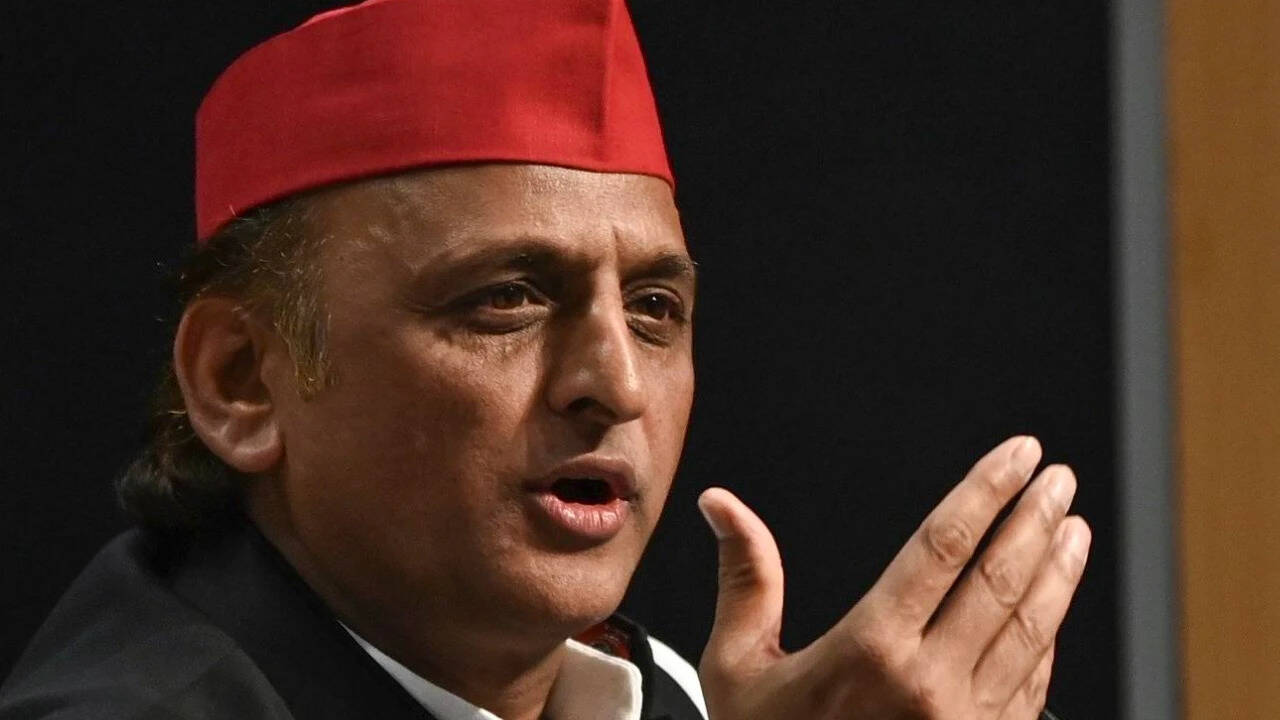
Samajwadi Party leader Akhilesh Yadav recently defended the presence of multiple relatives within his political organization, arguing that familial involvement has served as a protective barrier against internal fracturing. During a public discussion, the prominent opposition figure addressed common criticisms regarding dynastic leadership by reframing family ties as a structural advantage for political stability.
According to Yadav, the inclusion of several family members holding parliamentary positions ensures that core leadership remains closely aligned, thereby preventing factional divides that frequently plague regional parties in India. He noted that the party currently counts five parliamentarians from his own household among its ranks.
The opposition leader further explained that this familial core operates alongside a diverse coalition of lawmakers, which includes a significant number of Muslim members and dedicated socialist veterans. In his view, this combination of kinship ties and broad demographic representation creates a resilient political foundation that prevents overall legislative numbers from dwindling during internal political shifts.
Critics of dynastic politics in India frequently argue that prominent families monopolize leadership roles and limit opportunities for grassroots politicians. However, Yadav's remarks suggest a contrasting viewpoint, presenting family-centric structures as a reliable mechanism for organizational cohesion and long-term survival in a competitive political environment.
The Samajwadi Party, founded in the early 1990s, has long been identified with the Yadav family, with patriarch Mulayam Singh Yadav guiding the organization for decades before passing the leadership mantle to his son, Akhilesh Yadav. Over the years, the party has experienced various internal rivalries and power struggles, making structural unity a central priority for its current leadership.
By emphasizing the stabilizing influence of kin in leadership roles, Yadav aims to reshape the narrative surrounding political dynasties ahead of future electoral contests. The comments highlight the ongoing debate within Indian politics regarding the balance between democratic meritocracy and the organizational stability often sought through familial alliances.
Reporting based on coverage first published by The Times of India. Read the original report at The Times of India.