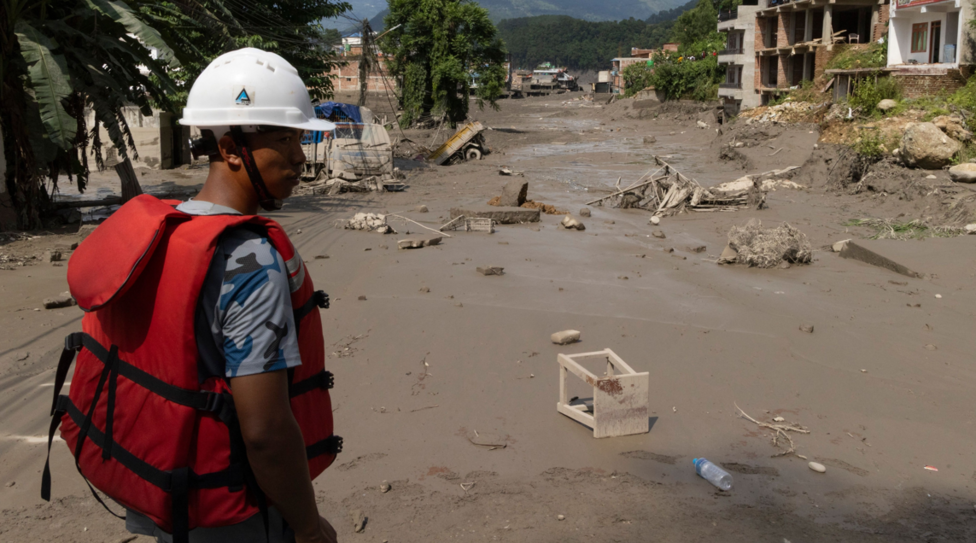
Dozens of citizens from the United States and Canada remain unaccounted for following a catastrophic flash flood and mudslide along the border region between Nepal and Tibet. The sudden disaster has left more than 150 people dead and triggered a massive international search and rescue operation.
Local law enforcement agencies in Nepal report that nearly 600 tourists are missing, representing approximately 28 different nations. The missing individuals include dozens of Americans and Canadians, alongside citizens from India, the United Kingdom, and local areas.
Government representatives in Washington confirmed that United States citizens have been impacted by the mid-week catastrophe. The American embassy in the region is collaborating closely with domestic tour operators and regional officials to offer support.
Canadian diplomatic officials stated they are keeping a close watch on the situation and stand prepared to deliver consular assistance as required. Authorities note that exact figures and personal details for many missing foreign nationals are still being verified due to privacy protocols and the scale of the chaos.
Across the border in Chinese-controlled Tibet, state media outlets documented three fatalities and hundreds of missing persons. Broadcast footage from the area displayed a massive torrent of water and mud crashing through structures at a primary border checkpoint.
Early speculation pointed toward seismic activity as the potential catalyst for the ice avalanche and mudslide. However, the United States Geological Survey clarified that further technical review indicates the ground movement itself generated the seismic energy, rather than an underlying earthquake.
Experts explain that such massive soil and ice movements can stem from various environmental factors, including heavy precipitation or accelerated glacial melt. While researchers note that global climate shifts are accelerating glacier loss across the Hindu Kush Himalayan mountain range, they emphasize that it is premature to attribute this specific disaster directly to climate trends.
The sudden deluge obliterated entire settlements, destroying vital infrastructure such as roads and bridges. Initial government evaluations estimate the physical damage to transportation networks exceeds 15 billion Nepalese rupees.
President Ram Chandra Paudel of Nepal issued an appeal for intensified rescue operations and urged cooperation among security forces, political groups, and local communities. He also called for heightened vigilance in lower-lying coastal and river valleys as search efforts press forward.
Reporting based on coverage first published by BBC News. Read the original report at BBC News.


