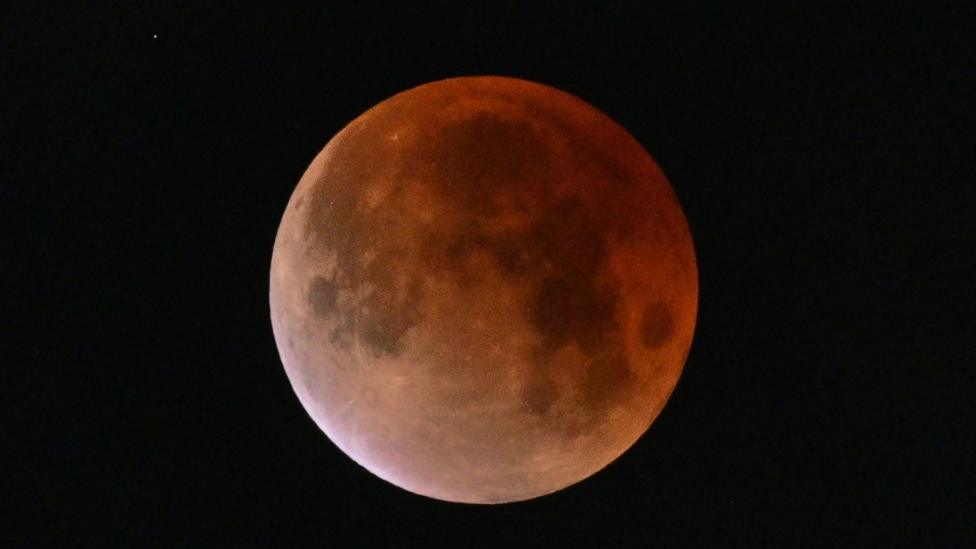
Stargazers and astronomy enthusiasts around the globe are preparing for a striking celestial event as a total lunar eclipse, frequently referred to as a blood moon, approaches. This astronomical phenomenon occurs when the Earth moves directly between the sun and the full moon, blocking direct sunlight from reaching the lunar surface. Instead of plunging into total darkness, the moon takes on a dramatic reddish or coppery hue as sunlight filters through the Earth's atmosphere.
Unlike solar eclipses, which require specialized protective eyewear to view safely, lunar eclipses can be observed directly with the naked eye. Observers do not need telescopes or binoculars to enjoy the spectacle, though optical equipment can enhance the view of the moon's craters and the changing gradient of the shadow. Weather permitting, anyone on the night side of the Earth at the time of the alignment will be able to witness the event.
The reddish tint that gives the blood moon its name is caused by a scientific process known as Rayleigh scattering. As sunlight passes through the edge of the Earth's atmosphere, shorter wavelengths of light like blue and violet are scattered in various directions. Longer wavelengths, specifically red and orange, pass through the atmosphere relatively unhindered and are bent toward the moon. This is the exact same phenomenon responsible for painting the sky with vibrant colors during sunsets and sunrises on Earth.
To catch the best possible view, observers should seek out locations with minimal light pollution, away from the bright lights of major cities. Rural areas, dark-sky parks, and elevated viewpoints often provide the clearest conditions for astrophotography and casual stargazing. Checking local weather forecasts in advance is also recommended to ensure cloud cover will not obstruct the night sky during the peak phases of the eclipse.
Total lunar eclipses happen periodically as part of the natural orbital mechanics of the Earth-Moon-Sun system. While they do not occur every month due to the tilt of the moon's orbit, they happen frequently enough to remain a favorite event for amateur astronomers and science educators alike. Public viewings and planetarium events are often organized to help communities learn more about orbital mechanics and planetary science during the occurrence.
Reporting based on coverage first published by BBC News. Read the original report at BBC News.


