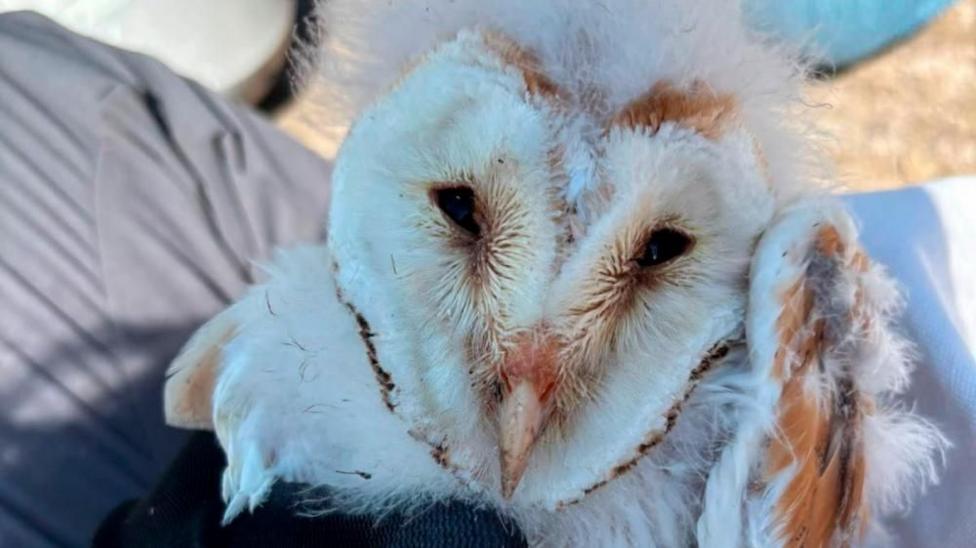
Wildlife conservationists in Northern Ireland are celebrating a major breeding breakthrough after a total of ten barn owl chicks were successfully raised at undisclosed locations in County Fermanagh. The rare arrival marks the first time in half a century that barn owl chicks have been officially documented in the county.
Experts believe fewer than thirty breeding pairs of the elusive raptors now remain throughout Northern Ireland. The recent hatching involved two separate broods, each containing five chicks, which matured inside specialized wooden nest boxes erected by local landowners.
The successful breeding season is the culmination of more than ten years of collaborative effort between Ulster Wildlife, BirdWatch Ireland, and agricultural communities. Conservationists have spent years advising farmers on sustainable land management, emphasizing the preservation of thick hedgerows and rough grassland that provide ideal hunting grounds for the birds.
Historically, the majority of Northern Ireland's barn owl population has been concentrated in the eastern regions. However, conservation groups have observed birds gradually moving northward from County Cavan, aided by the installation of weather-resistant nest boxes designed to mimic natural tree hollows.
Agricultural support has been a cornerstone of the initiative. Beyond conservation benefits, landowners often view the predatory birds as natural pest controllers that help manage rodent populations on farms without chemical intervention.
To aid ongoing research, wildlife authorities fitted each of the ten chicks with lightweight identification rings prior to fledging. This marking process, conducted under licence from the Northern Ireland Environment Agency with assistance from the British Trust for Ornithology, allows scientists to monitor the dispersal and survival rates of the young owls as they eventually leave their natal territories.
Across the United Kingdom, barn owl populations have faced a steady decline over the last fifty years. The species currently holds a red-list conservation status, indicating a high risk of regional extinction driven primarily by environmental pressures.
Experts note that these birds encounter numerous hazards throughout their lifespans, ranging from vehicular collisions and secondary rodenticide poisoning to the scarcity of mature nesting trees and the removal of traditional field boundaries. Environmental organizations continue to urge members of the public to report any accidental sightings, particularly in western counties, to help map remaining populations and secure critical habitats for future generations.
Reporting based on coverage first published by BBC News. Read the original report at BBC News.


