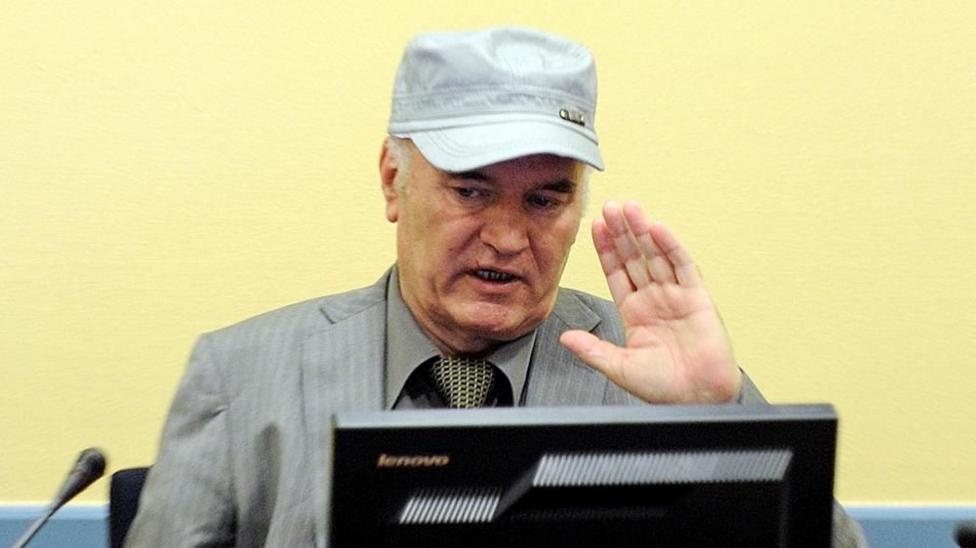
Ratko Mladić, the former Bosnian Serb military commander convicted of genocide, war crimes, and crimes against humanity, has died at the age of 84. He passed away while in the custody of a United Nations detention facility in The Hague, where he had been receiving palliative medical treatment.
Often referred to as the Butcher of Bosnia, Mladić commanded the Bosnian Serb army during the devastating conflicts that fractured the former Yugoslavia between 1992 and 1995. Under his military leadership, forces carried out systematic campaigns of ethnic cleansing throughout Bosnia-Herzegovina. His troops also enforced a brutal siege on the capital city of Sarajevo, which resulted in the deaths of more than 10,000 civilians.
His most notorious atrocity occurred in 1995 at Srebrenica, where forces under his command systematically executed roughly 8,000 Bosniak men and boys. This event was formally classified as genocide by international tribunals. Mladić consistently refused to acknowledge the legitimacy of the United Nations tribunal throughout his legal proceedings.
Following the conclusion of the wars, Mladić evaded international authorities by going into hiding for over a decade and a half. Law enforcement officials finally located him in a rural area of Serbia in 2011, leading to his immediate extradition to the Netherlands to face prosecution. His multi-year trial culminated in a life sentence delivered by judges in 2017, a punishment that was officially reaffirmed upon appeal in 2021.
Earlier in the year, international judges dismissed a legal petition seeking his compassionate release on medical grounds as his health deteriorated. The judiciary acknowledged that his physical condition was severe, concluding that the detention center was properly managing his palliative needs.
Reactions to his passing exposed the deep and enduring divisions remaining in the region. Hasan Hasanović, a survivor of the Srebrenica massacre who lost multiple family members in the violence and now works at the local memorial center, stated that the death offered no genuine resolution. He noted that the fallen victims cannot return and observed that the political and military ambitions behind the genocide continue to shape a fragmented nation plagued by denial.
Conversely, some segments of the population expressed sorrow and admiration. Bosnian Serb separatist leader Milorad Dodik characterized him as a defender of the Serbian population who commanded widespread respect. Similar sentiments were echoed by some residents in Belgrade, who argued that his military actions were a necessary fulfillment of his duty to protect his people.
Reporting based on coverage first published by BBC News. Read the original report at BBC News.


