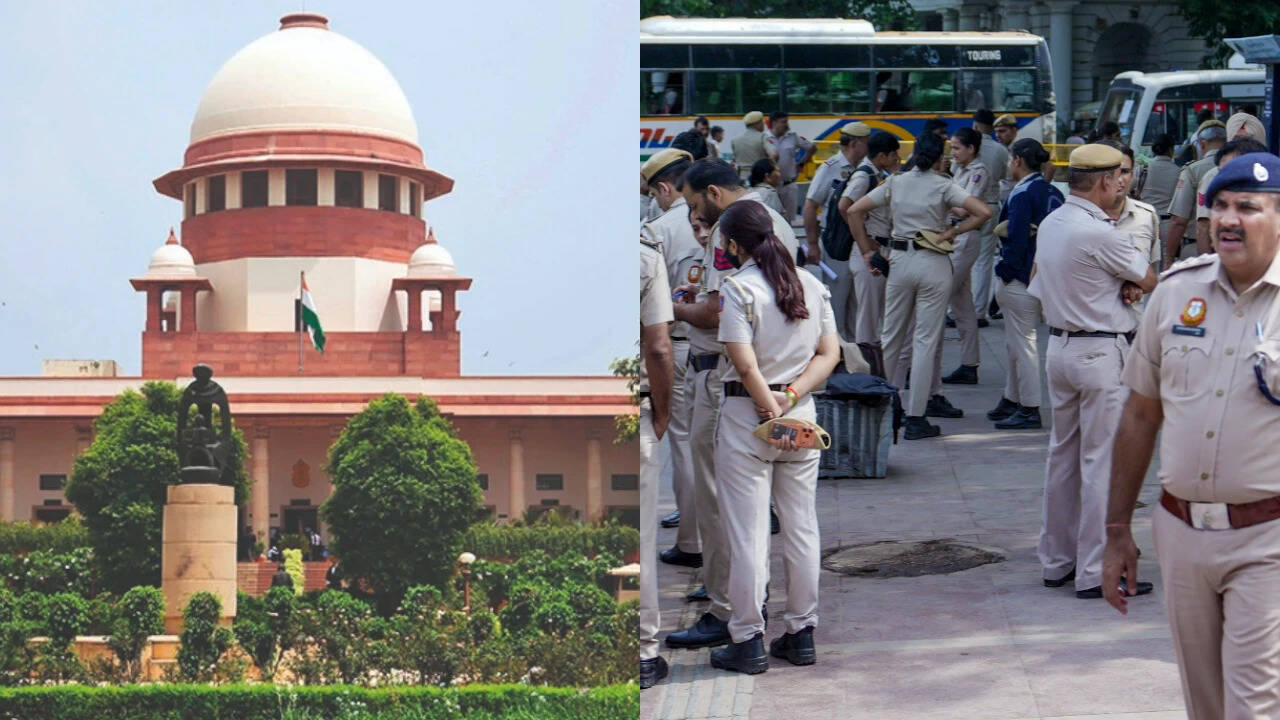
The Supreme Court of India has expressed significant concern over potential disruptions to daily life and economic activities in the national capital as preparations begin for a major protest called by the Confederation of Judicial Professionals.
During recent proceedings, the bench highlighted the delicate balance between the constitutional right to peaceful assembly and the severe impact that large-scale demonstrations can have on ordinary citizens. Justices emphasized that while protests are a fundamental aspect of a democratic society, the livelihoods of daily wage earners, local business owners, and commuters must not be compromised by blocked thoroughfares and transit halts.
The court noted that the capital region frequently faces severe congestion during major political and professional rallies, which often bring critical transit corridors to a standstill. Observers have pointed out that sudden traffic disruptions can cause substantial financial losses for small vendors, transport workers, and office employees who rely on uninterrupted daily mobility.
In its remarks, the bench conveyed an earnest desire that organizers and participants would exercise restraint and consideration for the wider public. The judicial panel stated that it hopes a better sense of proportion and civic responsibility will prevail, minimizing friction between demonstrators and the general populace.
Authorities in New Delhi are currently bracing for the upcoming agitation, reviewing security protocols, and planning traffic diversions to manage the expected influx of protesters. Police departments typically deploy additional personnel around key government enclaves and central public squares during such events to maintain law and order while facilitating designated gathering points.
The Confederation of Judicial Professionals has not yet issued a detailed response to the judiciary's observations. Representatives of the group maintain that their upcoming mobilization is necessary to draw attention to their grievances and demands regarding the justice system.
As the date of the demonstration approaches, city administrators and law enforcement agencies are urging organizers to cooperate with traffic management plans. The overarching aim remains finding a viable middle ground where civic expression can occur without causing undue hardship to the residents of the capital.
Reporting based on coverage first published by The Times of India. Read the original report at The Times of India.